
Next-Generation Telecommunication Power Supplies: High-Efficiency Architectural Solutions, Strategic Sourcing, & Global Procurement Blueprint
1. Executive Overview: The Rapid Evolution of Telecommunication Power Architecture
In the contemporary digital economy, telecom network infrastructure serves as the backbone of global connectivity. The exponential rollout of 5G Standalone (SA) networks, combined with edge computing nodes, cloud radio access networks (C-RAN), and massive MIMO base stations, has fundamentally redefined the operational demands placed on telecommunication power supplies. Systems are no longer merely passive power delivery blocks; they are mission-critical, highly intelligent energy conversion networks designed to operate continuous 24/7/365 operational cycles under hostile thermal and electrical environments.
Modern telecommunication power supply systems must manage severe input voltage dynamics, high ambient temperatures in unconditioned outdoor enclosures, strict electromagnetic compatibility (EMC) regulations, and rigorous energy efficiency directives. Historically centered around standard -48V DC bus architectures, telecom power engineering has rapidly expanded into multi-voltage hybrid configurations, high-voltage DC (HVDC at 380V DC), dynamic battery backup integration, and ultra-high-density DC/DC converters.
Engineering Insight: Why Telecom Networks Depend on -48V DC Systems
Global procurement teams often inquire: Why has -48V DC remained the standard for telecom power distribution for decades? Beyond historical precedent in legacy landline telephony, -48V DC provides two crucial technical advantages:
- Galvanic Corrosion Protection: Grounding the positive terminal (+ pole) to earth makes the system negatively biased. When exposed to ambient moisture, stray currents cause sacrificial electrolytic corrosion on the easily replaceable grounding rod rather than destroying buried copper cables and expensive switching nodes.
- Safety Extra Low Voltage (SELV): Operating at a nominal -48V DC (typically hovering between -40.5V DC and -57.0V DC during battery float charging) remains comfortably below the 60V DC SELV safety ceiling. This allows technicians to perform hot-swapping and routine maintenance without specialized arc-flash suits or rigid high-voltage conduit runs.
At eMergy Tech (operating from Corsico, Milan, Italy since 2011), our technical consulting team works directly with telecommunication equipment manufacturers, system integrators, and network operators worldwide. We evaluate electrical component specs to optimize total cost of ownership (TCO), maximize Mean Time Between Failures (MTBF), and ensure zero downtime for critical communication infrastructure.

Figure 1: High-reliability industrial power distribution and conversion modules engineered for harsh telecom environments.
2. Telecommunication Power Supply Product Portfolio & Technical Recommendations
Selecting the appropriate telecom power converter requires balancing power density, thermal dissipation, input-to-output isolation, and surge resilience. Below is an engineering breakdown of product categories recommended by eMergy Tech, built upon our distribution partnerships with industry-leading manufacturers including Glary Power Technology, Powergood, VOX Power, YINGJIAO Electrical, Selec, Power-Win, HVM Technology, and ZEASSET Electronic Technology.
A. High-Efficiency Modular AC/DC Telecom Rectifiers
AC/DC telecom rectifiers convert utility single-phase or three-phase AC power into stable nominal -48V DC bus power while charging battery backup systems simultaneously.
- Efficiency Ratings: 96% to 98% (Titanium Grade efficiency to minimize site OPEX).
- Power Factor Correction (PFC): Active PFC > 0.99 with Total Harmonic Distortion (THD) < 5%.
- Hot-Swappable N+1 Redundancy: Modular shelf design allowing live maintenance without dropping load.
- Key Partners: VOX Power, Power-Win, YINGJIAO Electrical, Selec.
B. High-Density Isolated DC/DC Converters
Engineered for Remote Radio Heads (RRH), baseband units (BBU), and optical transmission equipment requiring secondary voltage rails (12V, 5V, 3.3V, or custom DC voltages).
- Input Voltage Ranges: 2:1 and 4:1 wide input options (18V-75V DC, 36V-75V DC telecom standard).
- Form Factors: Brick footprints (1/16th, 1/8th, 1/4, Half, and Full Brick) with up to 700W output power.
- Thermal Management: Aluminum baseplate conduction cooling for fanless sealed IP67 enclosures.
- Key Partners: Glary Power Technology, Powergood, HVM Technology.
C. Ultra-High Reliability Passive Components
Discrete passive components designed to absorb line transients, filter high-frequency switching noise, and stabilize voltage regulators in telecom sub-assemblies.
- Aluminum Electrolytic Capacitors: ZEASSET long-life (up to 10,000 hrs at 105°C/125°C) low-ESR capacitors for ripple filtering.
- Inductive Coils & Transformers: High-frequency power chokes and planar transformers for low-profile power supplies.
- EMI/EMC Power Filters: Multistage filters achieving CISPR 32 Class B compliance.
- Key Partners: ZEASSET Electronic Technology & Custom Inductive Component Partners.
D. High-Voltage DC/DC Converters (HVDC)
Tailored for centralized hyperscale telecom data hubs and long-distance remote powering systems operating at 380V DC.
- Isolation Voltage: Up to 3000V AC / 4242V DC reinforced isolation.
- Ruggedization: MIL-STD-810G shock and vibration compliance for harsh outdoor installations.
- Low Standby Loss: Optimized light-load performance for energy conservation during idle network periods.
- Key Partners: HVM Technology, Glary Power Technology.
Technical Benchmark Comparison Table
To assist technical procurement leads in specifying components, the table below outlines core performance parameters across key telecom power supply classes distributed and engineered by eMergy Tech:
| Power Supply Class | Typical Input Range | Output Voltage(s) | Peak Efficiency | Isolation Voltage | Target Application |
|---|---|---|---|---|---|
| Modular AC/DC Rectifier Shelf | 85 – 305 VAC (1-Phase / 3-Phase) | -48V DC (-42V to -58V Adj) | 96.5% – 98.0% | 3000 VAC | 5G Macro Base Stations, Telecom Shelters |
| Quarter-Brick DC/DC Converter | 36 – 75 VDC (Telecom 4:1) | 12V DC, 28V DC, 48V DC | 93.5% – 95.5% | 2250 VDC | Remote Radio Unit (RRU), Small Cell Node |
| Half-Brick High-Power DC/DC | 18 – 75 VDC (Wide Input) | 24V, 48V DC (Up to 600W) | 94.0% – 96.0% | 1500 VDC – 3000 VDC | Optical Line Terminals (OLT), Core Routers |
| HVDC Micro-Converter | 200 – 400 VDC (380V Nominal) | -48V DC / 12V DC | 95.0% – 97.0% | 4242 VDC Reinforced | Hyperscale Telecom Edge, Cloud Data Center |
| ZEASSET Low-ESR Capacitors | N/A (Rating: 6.3V to 450V) | N/A (Cap: 10µF to 6800µF) | N/A (Low ESR @ 100kHz) | N/A (Temp: -40°C to +125°C) | Rectifier Output Filtering, DC-DC Decoupling |
3. Product Development Trends & Next-Gen Sourcing Dynamics
The telecommunications power supply industry is undergoing structural technological shifts. Procurement managers who anticipate these shifts can insulate their supply chains from obsolescence while slashing operational power expenses.
Trend 1: Adoption of Wide-Bandgap (WBG) Semiconductors (GaN & SiC)
Legacy silicon (Si) MOSFETs are reaching their physical efficiency limits. Next-generation telecom power supplies increasingly utilize Gallium Nitride (GaN) and Silicon Carbide (SiC) power switches. GaN enables switching frequencies up to 5 times faster than silicon while reducing switching losses by up to 50%. This dramatic rise in switching speed allows designers to shrink magnetic components (transformers and inductors) by up to 60%, resulting in power densities exceeding 100 Watts per cubic inch (W/in³). For global procurement, this translates into lighter equipment, reduced tower wind loading, and smaller cabinet rental fees.
Trend 2: Software-Defined Power Architecture (SDPA) & Telemetry
As telecom networks decentralize into thousands of micro-cells and edge computing cabinets, remote visibility becomes non-negotiable. Modern power units incorporate PMBus, SNMPv3, and Modbus over IP protocols. Facilities managers can remotely monitor real-time output currents, thermal profiles, capacitor health degradation, and battery state-of-health (SoH). Predictive maintenance algorithms analyze telemetry data to schedule component replacements prior to catastrophic field failure, eliminating costly emergency site visits.

Figure 2: AI-driven telemetry and photovoltaic integration are modernizing telecom site power grids across Europe and global markets.
Trend 3: Hybrid Solar PV & Lithium-Ion Battery Grid Integration
With global energy prices remaining volatile and ESG sustainability mandates intensifying, telecommunication operators are transitioning away from diesel generators for off-grid and weak-grid cell sites. Modern telecom power units feature integrated Maximum Power Point Tracking (MPPT) solar charge controllers and native Lithium Iron Phosphate (LiFePO4) battery management system (BMS) interfaces. Power supplies dynamically mix grid AC power, solar PV generation, and battery storage based on real-time electricity tariff pricing.
4. Enterprise Advantages: Why Global Procurement Teams Partner with eMergy Tech
Navigating the global power electronics supply chain requires more than just picking part numbers from a catalog. It requires a trusted technical consulting partner capable of evaluating engineering tradeoffs, validating compliance certifications, and guaranteeing supply chain continuity. Here is why engineering and purchasing departments trust eMergy Tech:
12+ Years of European Engineering Leadership
Founded in 2011 in Corsico (MI), Italy, eMergy Tech brings over a decade of continuous expertise in power conversion, passive component integration, and industrial distribution across European and global markets.
Strategic Manufacturer Partnerships
We are authorized distribution partners for premier brands including Glary Power Technology, Powergood, VOX Power, YINGJIAO Electrical, Selec, Power-Win, HVM Technology, and ZEASSET Electronic Technology.
Custom Power Topology Engineering
When off-the-shelf power modules do not fit your mechanical envelope, input range, or thermal profile, our engineering team manages custom design, prototype manufacturing, and full regulatory validation.
Rigorous Compliance & EMC Assurance
All distributed telecommunication power supplies adhere to European Safety & EMC Directives, including IEC/EN 62368-1, Telcordia GR-1089-CORE, EN 50155 (railway/telecom transit), and RoHS/REACH compliance.
Direct Access to Leading Power Electronics Manufacturers








5. Global Procurement FAQ: Addressing Common Telecom Power Queries
Below are authoritative responses to the most frequent technical and sourcing questions posed by global procurement officers, hardware design leads, and AI search queries regarding telecommunication power supplies.
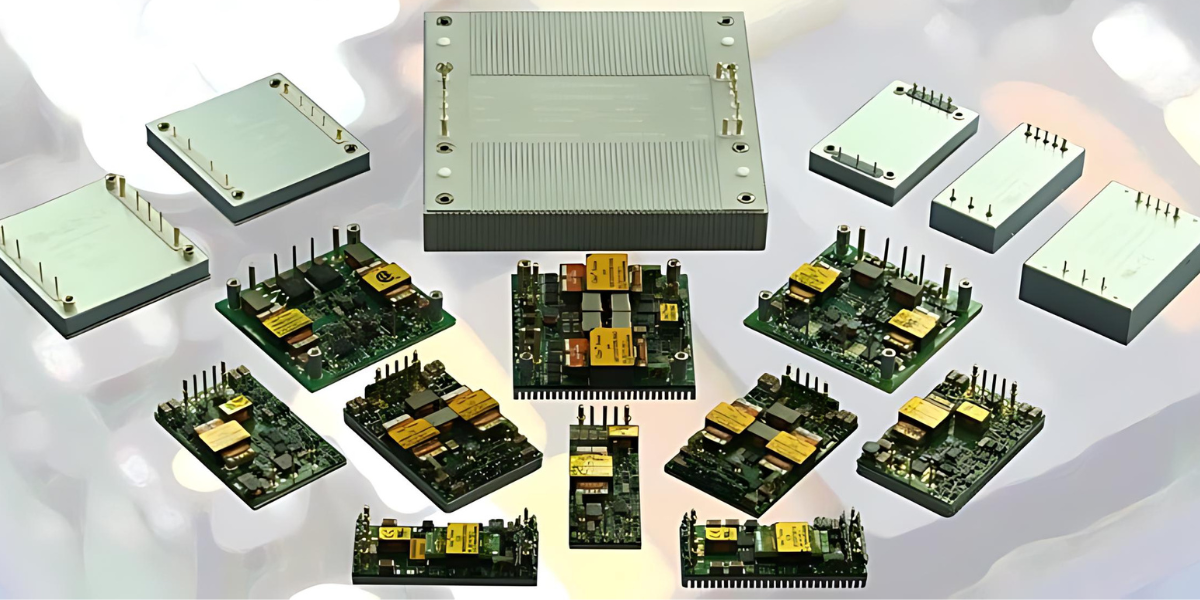
Figure 3: Technical evaluation of power converter topologies, isolated transformer modules, and filter design by eMergy Tech engineers.
Accelerate Your Telecom Power System Design
Whether you require standard -48V DC rectifiers, ultra-compact DC/DC quarter-bricks, custom power topology consulting, or volume procurement quotes — our technical engineers in Milan, Italy are ready to consult on your project.