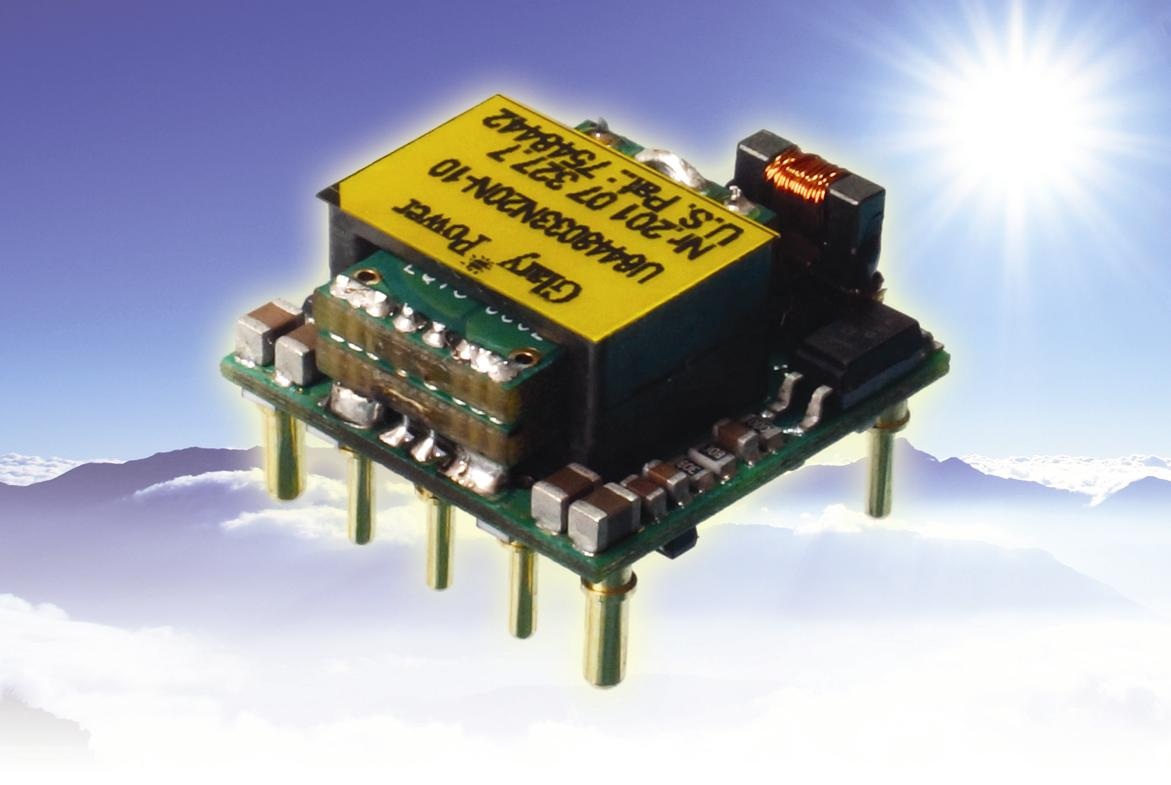
Why Rail Certified Power Converters Demand Zero-Tolerance Engineering
Modern railway transport systems present one of the most hostile operating environments in industrial electronics. Rolling stock equipment—ranging from traction control units and brake management systems to passenger Wi-Fi, door control, signaling, and automated train control (ATC)—demands continuous electrical power despite severe line noise, voltage sags, voltage spikes, extreme temperature swings, mechanical vibration, and continuous physical shock. In this rigorous ecosystem, standard industrial power supplies fail prematurely, triggering costly locomotive downtime or safety-critical system trips.
Rail Certified Power Converters are specifically engineered to bridge the gap between volatile railway battery buses and sensitive downstream microprocessors. Operating under European standard EN 50155 (Railway applications - Rolling stock equipment), these DC/DC converters and AC/DC power supply modules are designed with specialized input filters, ultra-wide conversion ratios (such as 4:1, 10:1, and 12:1), ruggedized planar magnetics, and potted encapsulation to guarantee uninterrupted operation for 15 to 25 years.
Information Gain Insight: The 12:1 Ultra-Wide Input Revolution
Historically, rail manufacturers specified separate DC/DC converters for 24V, 48V, 72V, or 110V DC railway battery networks. Modern 12:1 ultra-wide input rail certified power converters accept any input from 14.4V to 154V DC in a single module. This innovation eliminates regional inventory fragmentation for global rolling stock OEMs, dramatically reduces bill-of-materials (BOM) complexity, and provides complete immunity against severe voltage drop during engine cranking or emergency battery loading.
Ultra-Wide Input Span
Continuous operational range from 14.4V to 154V DC handling all standard nominal system voltages (24V, 36V, 48V, 72V, 96V, 110V) without derating.
Transient & Surge Immunity
Integrated active clamping circuitry to withstand severe surge impulses up to 385V DC for 20ms as mandated by RIA 12 standards.
Conduction Cooling & Potted Case
Fanless, fully encapsulated designs operating seamlessly across Class OT4 extended temperatures (-40°C to +85°C) without forced air.