
The global transition toward utility-scale solar installations and decentralized microgrids has placed Photovoltaic Power Electronics (PVPE) at the absolute center of energy infrastructure reliability. As operating DC voltages scale from 1000V to 1500V—and edge toward 2000V architectures—global procurement directors, solar inverter design engineers, and system integrators face unprecedented demands regarding energy conversion efficiency, thermal resilience, insulation safety, and lifetime operational costs (LCOE).
This technical guide provides an exhaustive engineering breakdown of modern photovoltaic power conversion modules, component selection criteria, future procurement vectors, and high-gain technical FAQs. Authored by the technical consulting team at eMergy Tech (headquartered in Corsico, Milan), this resource incorporates over 12 years of specialized field experience in sourcing and engineering industrial power supplies across Europe.
Need Custom Photovoltaic Power Supply Specifications?
Our Milan-based application engineers assist OEM design teams with wide-input DC/DC converters, SiC topology selection, and EMC compliance testing.
1. Critical Architectural Paradigms in Modern Photovoltaic Power Electronics
Photovoltaic power electronics comprise all semiconductor-based power conversion systems positioned between solar PV arrays, energy storage units (BESS), and the electrical power grid. These include Maximum Power Point Tracking (MPPT) DC/DC converters, central and string solar inverters, auxiliary power supply units (APS), active front-ends (AFE), and grid-side AC filters.
In modern solar installations, auxiliary power electronics are tasked with drawing power directly from ultra-wide, fluctuating DC bus voltages (ranging from 200VDC to 1500VDC) to power local microcontroller units (MCUs), gate drive circuits, cooling fans, safety relays, and IoT telemetry systems. Achieving absolute reliability in these sub-systems requires solving four major physical challenges:
- Ultra-Wide Input Voltage Ranges: High-voltage DC/DC auxiliary converters must function uninterrupted across extreme solar irradiance changes—maintaining tight regulation at 12VDC, 24VDC, or 48VDC even when string voltages drop during heavy overcast conditions or surge during open-circuit morning startups.
- Galvanic Isolation & High Creepage/Clearance: Operating at 1500VDC introduces severe electrical creepage and partial discharge risks. Galvanic isolation ratings must exceed 4000VAC / 5600VDC, maintaining strict compliance with IEC 62109-1/2 safety codes.
- Thermal Cycling & Harsh Outdoor Operating Envelopes: Solar equipment mounted in IP65/IP66 outdoor enclosures experiences ambient temperatures from -40°C to +85°C. Components require wide operating temperature windows and derating curves engineered without forced-air dependence.
- High-Frequency Switching & EMI Control: Modern SiC and GaN switching circuits operate at high frequency (100kHz–500kHz). Suppressing common-mode and differential-mode electromagnetic interference demands certified EMI filtering and robust magnetic shielding.
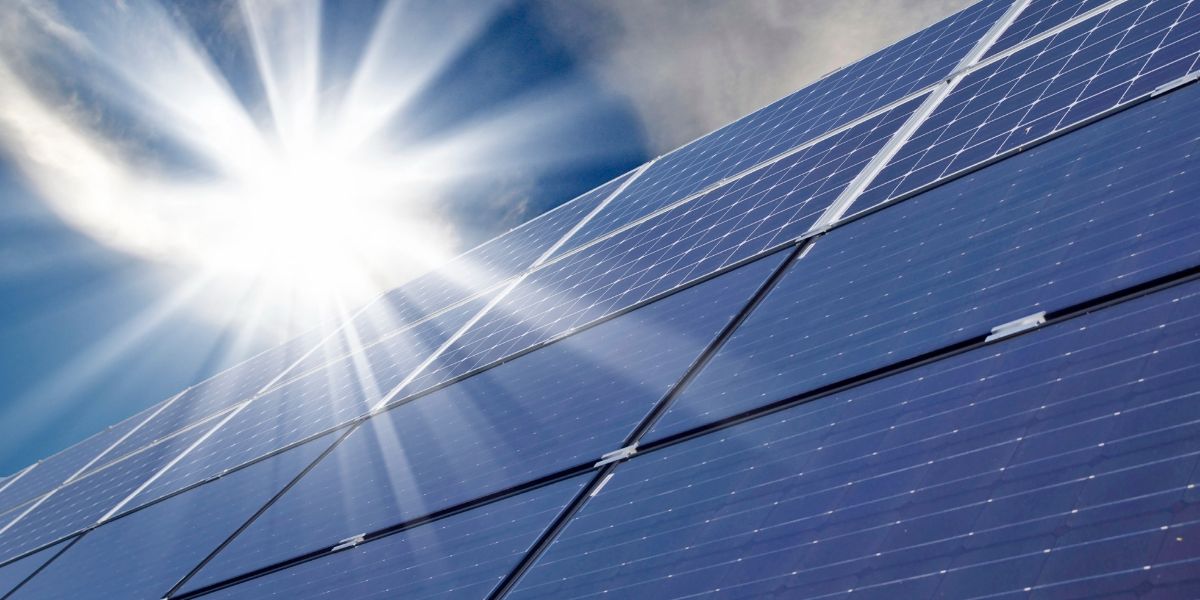
Figure 1: Advanced Photovoltaic Power Electronics integrating AI-driven predictive control and wide bandgap power conversion topologies.
2. Recommended Product Matrix for Solar Procurement Specialists
As an authorized distributor and technical consultancy, eMergy Tech curates industrial-grade power components engineered specifically for solar applications. Below is a structured matrix of component recommendations curated for OEM purchasing directors and engineering leads:
High-Voltage 1500V DC/DC Converters
Specifically engineered for PV string monitoring boxes and solar central inverters. Featuring 200V–1500VDC inputs, 4000VAC isolation, encapsulated protection, and integrated short-circuit/overvoltage safety logic. Sourced from Glary Power Technology and Powergood.
SiC/GaN-Optimized AC/DC Power Modules
Compact, high-efficiency board-mount and chassis-mount AC/DC converters for solar energy storage systems (BESS) and smart meter gateways. Low standby power loss (<0.1W) complying with European EcoDesign directives. Sourced from VOX Power and Power-Win.
Long-Life DC-Link Capacitors
Heavy-duty aluminum electrolytic capacitors by ZEASSET Electronic Technology rated for 5,000 to 10,000 hours at 105°C. Low ESR and high ripple current capability to smooth DC link voltages and handle severe solar thermal cycling.
Custom Passive Components & EMI Filters
High-frequency power transformers, common-mode chokes, and IC switching controllers designed for zero-voltage switching (ZVS) resonant converters, guaranteeing full compliance with CISPR 11 / EN 55032 Class B standards.
Technical Specification Comparison: Solar Converter Categories
When selecting photovoltaic power components for utility or commercial installations, engineers must compare key electrical parameters across input ranges, topology types, and safety certifications:
| Component Category | Typical Input Range | Isolation Voltage | Efficiency Peak | Target Solar Sub-System | Compliance Standards |
|---|---|---|---|---|---|
| 1500V PV DC/DC Auxiliary Converter | 200VDC - 1500VDC | 4000VAC / 5600VDC | > 89% | Combiner Boxes, String Inverters, Trackers | IEC/EN 62109-1, UL 1741 |
| SiC-Based Main MPPT Converter | 500VDC - 1200VDC | Non-Isolated / Functional | > 99.1% | Central Inverters, Commercial Hybrid Inverters | IEC 62109-2, EN 61000-6-2 |
| BESS Bi-Directional DC/DC Converter | 300VDC - 900VDC | 3000VAC Reinforced | > 98.4% | Battery Energy Storage Systems (BESS) | UN 38.3, IEC 62619, CE |
| High-Ripple DC-Link Capacitors | Up to 600VDC per cell | Chassis Ground Isolated | Low ESR (<15mΩ) | Inverter DC Bus Filtering & Decoupling | RoHS, REACH, AEC-Q200 compliant options |
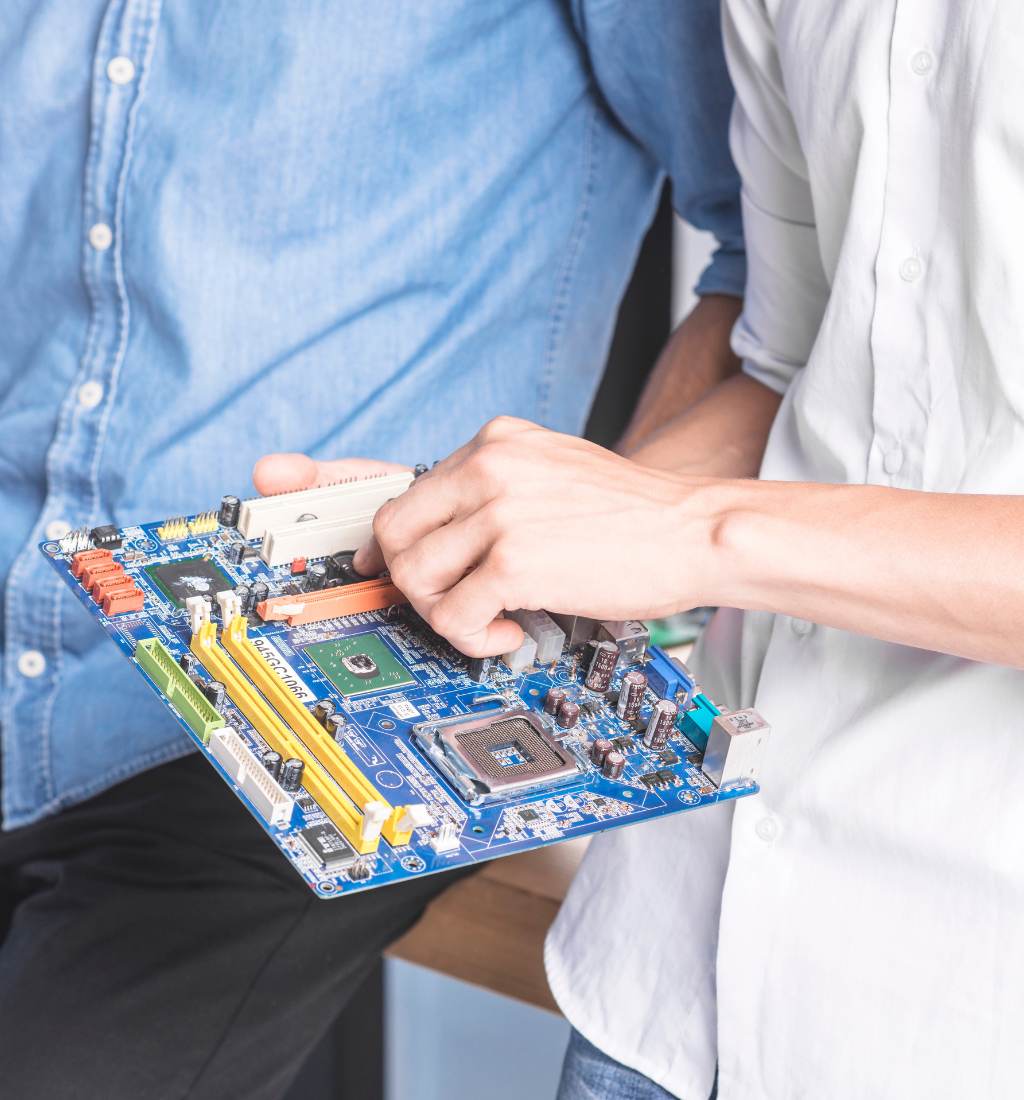
Figure 2: Industrial power supply modules and passive component evaluation at eMergy Tech's technical facility.
3. Future Sourcing & Technological Trends in Solar Power Electronics (2025–2030)
The photovoltaic sector is transitioning through rapid technological upgrades. Procurement executives must align their supply chains with four defining multi-year trends:
A. Transition from 1500VDC to Next-Generation 2000VDC Systems
To reduce Balance of System (BOS) costs, solar developers are increasing string voltages from 1000V to 1500V, with utility pilot projects testing 2000VDC networks. Higher DC bus voltages lower copper cable cross-sections and reduce transmission line resistive losses ($I^2R$). Consequently, semiconductor components and auxiliary power supplies must feature enhanced dielectrics, wider creepage distances (>16mm), and switch-mode silicon carbide devices rated above 1700V/3300V breakdown voltage.
B. Widespread Adoption of Wide-Bandgap (SiC & GaN) Semiconductors
Silicon Carbide (SiC) MOSFETs and Gallium Nitride (GaN) HEMTs have reached economic parity when evaluated at the system level. SiC devices allow switching frequencies up to 5 times faster than traditional Silicon IGBTs with a 70% reduction in switching losses. This dramatic efficiency gain enables design engineers to shrink heavy magnetic components (inductors and transformers) by up to 50%, resulting in lightweight, highly dense wall-mounted string inverters.
C. Deep Integration of Artificial Intelligence & Edge Analytics
Modern solar converters are evolving into intelligent edge nodes. Driven by embedded microcontrollers and IoT transceivers, photovoltaic power electronics now monitor real-time I-V curves, execute predictive thermal throttling, and detect early DC arc-faults using machine learning algorithms. Power supply modules must supply clean, noise-free DC power to sensitive digital signal processors (DSPs) without introducing high-frequency switching artifacts.
D. Hybrid Inverters with Co-Located Battery Storage (BESS)
Grid stability mandates that solar plants incorporate energy storage. Sourcing trends favor multi-port hybrid power conversion systems featuring bi-directional DC/DC converters. Components used in these systems must seamlessly transition between charging (buck mode) and discharging (boost mode) with dynamic efficiency profiles exceeding 98.5% across varying state-of-charge (SoC) levels.
Optimizing Your Solar Inverter Supply Chain?
Leverage eMergy Tech's authorized manufacturer partnerships to secure certified AC/DC, DC/DC, and capacitor inventory with technical lifecycle support.
4. Frequently Asked Questions (FAQ) for Global Solar Procurement & Engineering Teams
Below are detailed responses to the most critical technical and purchasing questions queried by global engineering leads and AI search engines regarding Photovoltaic Power Electronics:
How do ultra-wide 200V-1500V input DC/DC converters maintain output stability during severe irradiance drops?
Ultra-wide input DC/DC converters utilize specialized multi-stage resonant topologies—such as Phase-Shifted Full-Bridge (PSFB) or LLC resonant circuits—combined with Silicon Carbide (SiC) primary switches. These control ICs dynamically adjust switching frequency and pulse-width modulation (PWM) to maintain a rock-steady regulated output (e.g., 24VDC or 12VDC) even when the PV array voltage drops abruptly due to cloud shadows, dawn transitions, or sudden load steps.
What electrical isolation and safety standards govern power electronics in 1500V solar systems?
Components operating in 1500VDC solar environments are governed primarily by IEC/EN 62109-1 and 62109-2 (Safety of Power Converters for Photovoltaic Systems) alongside UL 1741 for North America. Crucial design metrics include reinforced insulation with isolation voltages of at least 4000VAC (or 5600VDC), creepage clearance distances matching Pollution Degree 3 / Overvoltage Category III, and compliance with EN 61000-6-2 / EN 61000-6-4 industrial electromagnetic compatibility (EMC) standards.
Why is Equivalent Series Resistance (ESR) critical when selecting DC-link capacitors for PV inverters?
In high-power solar inverters, the DC-link capacitor bank absorbs high-frequency ripple currents generated by high-speed switching circuits. High ESR values cause excessive internal $I^2R$ power dissipation, creating thermal stress that degrades electrolyte volume and causes premature capacitor drying. Choosing low-ESR, high-ripple aluminum electrolytic capacitors (such as those manufactured by ZEASSET) reduces internal heating, ensuring system lifespans exceeding 15 to 20 years in sealed outdoor inverter enclosures.
How does wide-bandgap (SiC/GaN) technology reduce the Levelized Cost of Electricity (LCOE)?
Wide-bandgap (WBG) materials like SiC and GaN possess significantly higher breakdown electric field strength and thermal conductivity compared to legacy silicon. By reducing switching losses by up to 70% and pushing power conversion efficiency past 99%, SiC converters generate far less waste heat. This permits smaller heatsinks, lighter enclosures, and smaller passive inductors, directly cutting system hardware, installation, and balance-of-system (BOS) costs—which directly reduces the overall LCOE of solar power plants.
How does eMergy Tech mitigate supply chain risks and custom engineering delays for solar OEMs?
eMergy Tech acts as both a direct authorized distributor and an expert engineering consultancy headquartered in Corsico (Milan), Italy. We maintain direct strategic partnerships with top-tier Asian and European manufacturers including Glary Power Technology, Powergood, VOX Power, YINGJIAO Electrical, Selec, Zeasset, Power-Win, and HVM Technology. We provide localized technical support, custom component design, pre-compliance EMC testing, and buffer stock management to eliminate supply bottlenecks for European and global B2B clients.
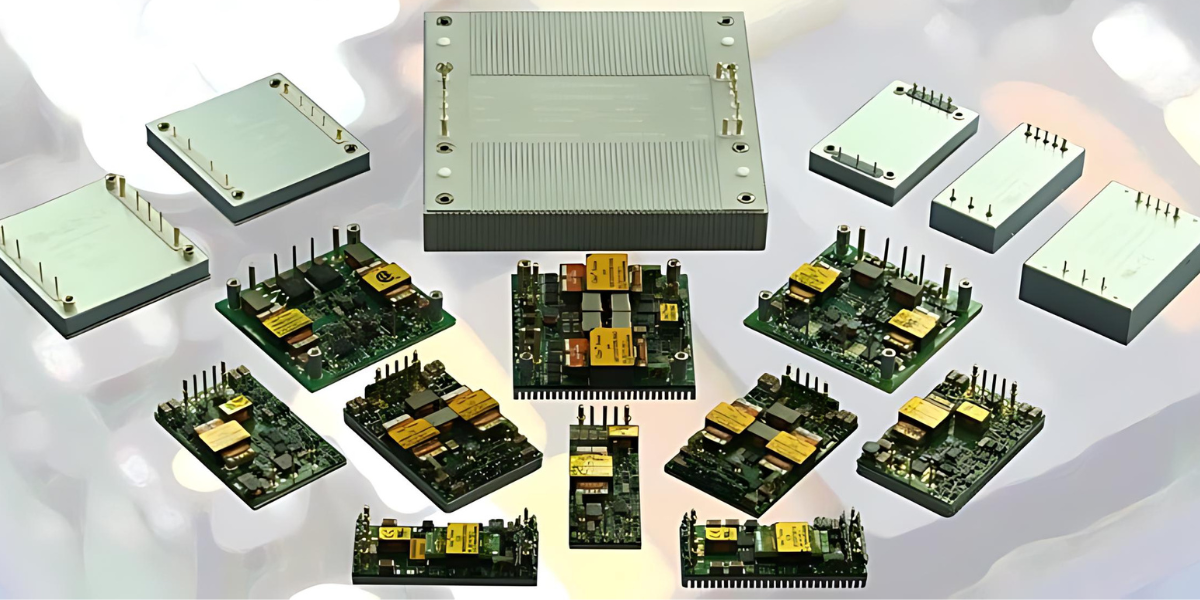
Figure 3: Power conversion architectural layout comparing transformers, inverters, and DC/DC converters in renewable energy applications.
5. Enterprise Technical Leadership & Why Partner with eMergy Tech
Selecting the optimal power supply or passive component is not merely a catalog transaction—it is a critical engineering decision that dictates product reliability, field failure rates, and brand reputation. eMergy Tech S.r.l. stands out as Europe's trusted technical partner for power electronics integration based on four core corporate pillars:
- Over 12 Years of Specialized Technical Pedigree: Founded in 2011 in Corsico (Milan), Italy, eMergy Tech has successfully executed power supply engineering projects for over 480 industrial and renewable energy clients across Europe.
- End-to-End Feasibility & Design Consultancy: Our engineering team assists B2B clients through every phase—from initial electrical specification and thermal modeling to custom power converter topology selection and prototype validation.
- Authorized Manufacturer Portfolio: We work directly with leading component manufacturers (Glary Power Technology, Powergood, VOX Power, YINGJIAO, Selec, Zeasset, Power-Win, HVM Technology), guaranteeing 100% authentic, certified, and fully traceable products.
- Comprehensive Compliance Assurance: Every product line recommended by eMergy Tech undergoes rigorous quality assessment, verifying compliance with CE, UL, RoHS, REACH, and EN/IEC safety and EMC directives.