
Executive Summary & Key Takeaways for Sourcing Directors
- Evolving Power Density Requirements: Industrial equipment power supplies are shifting from bulky, passively cooled units to ultra-compact modular conversion units driven by Gallium Nitride (GaN) and Silicon Carbide (SiC) switches.
- Intent-Driven Engineering Sourcing: Global B2B buyers must evaluate power modules beyond nominal wattages—focusing specifically on derating curves above +50°C, hold-up time, surge immunity (EN 61000-4-5), and Mean Time Between Failures (MTBF > 500,000 hours).
- Supply Chain Resilience: Partnering with multi-line authorized distributors who provide engineering design-in consulting—such as eMergy Tech—prevents costly redesign cycles caused by component obsolescence.
In modern industrial automation, robotics, telecommunications infrastructure, and renewable energy conversion, Industrial Equipment Power Supplies serve as the foundational backbone determining system uptime, energy efficiency, and operational safety. As global industry transitions toward Industry 4.0, Artificial Intelligence (AI) edge computing, and high-voltage DC distribution, the criteria for selecting, procuring, and integrating power units have shifted dramatically.
Procurement teams and design engineers frequently turn to AI engines and search systems to resolve highly specific queries: "How do I select a railway-grade DC/DC converter with 4:1 ultra-wide input?" or "What is the impact of high ambient operating temperatures on aluminum electrolytic capacitor lifespan?" This comprehensive guide addresses these critical technical and procurement inquiries, providing actionable insights derived from over 12 years of specialized engineering experience at eMergy Tech.
1. The Modern Landscape of Industrial Equipment Power Supplies
Industrial environments present harsh operational challenges that standard commercial or consumer power supplies cannot withstand. Factory floors, outdoor telecom cabinets, and transport systems subject power modules to extreme thermal fluctuations, high electromagnetic interference (EMI), mechanical shock, and line surge voltage spikes.
An industrial equipment power supply is not merely a voltage regulator; it is a complex power management system engineered to convert unstable AC mains or variable DC bus voltages into precisely regulated, low-noise DC outputs. The primary architectural categories deployed across global B2B sectors include:
- AC/DC Power Supply Modules: Convert grid AC power (85–264VAC universal input or 3-phase 400VAC) into stable DC voltages (typically 12V, 24V, or 48V). Forms include DIN-rail, enclosed chassis mount, open-frame, and modular multi-output units.
- DC/DC Converter Modules: Regulate, isolate, or step up/down DC distribution voltages. Essential for isolating sensitive digital circuitry from high-power motors, battery banks, or high-voltage solar arrays.
- Passive & Filtering Components: Inductive coils, pulse transformers, and high-capacity EMI filters that suppress conducted and radiated electromagnetic interference to guarantee compliance with CISPR 32 / EN 55032 Class B standards.
- Energy Storage & Filtering Capacitors: Industrial-grade aluminum electrolytic capacitors engineered for low Equivalent Series Resistance (ESR), high ripple current capability, and extended operational lifespans at +105°C or higher.
2. Recommended Product Architectures & Engineering Decision Matrix
Selecting the optimal power conversion solution requires matching electrical parameters with the physical and environmental realities of the application. Below is eMergy Tech's recommended product breakdown based on market-proven B2B deployments across Europe:
A. High-Efficiency AC/DC Power Modules (DIN-Rail & Enclosed)
For industrial control cabinets, programmable logic controllers (PLCs), and process automation lines, DIN-rail and enclosed AC/DC units offer seamless installation and superior thermal dissipation. Lines manufactured by Power-Win, YINGJIAO Electrical, and Selec feature active Power Factor Correction (PFC > 0.95), efficiency exceeding 94%, and short-circuit, over-voltage, and over-temperature protections.
B. Wide-Input & High-Voltage DC/DC Converters
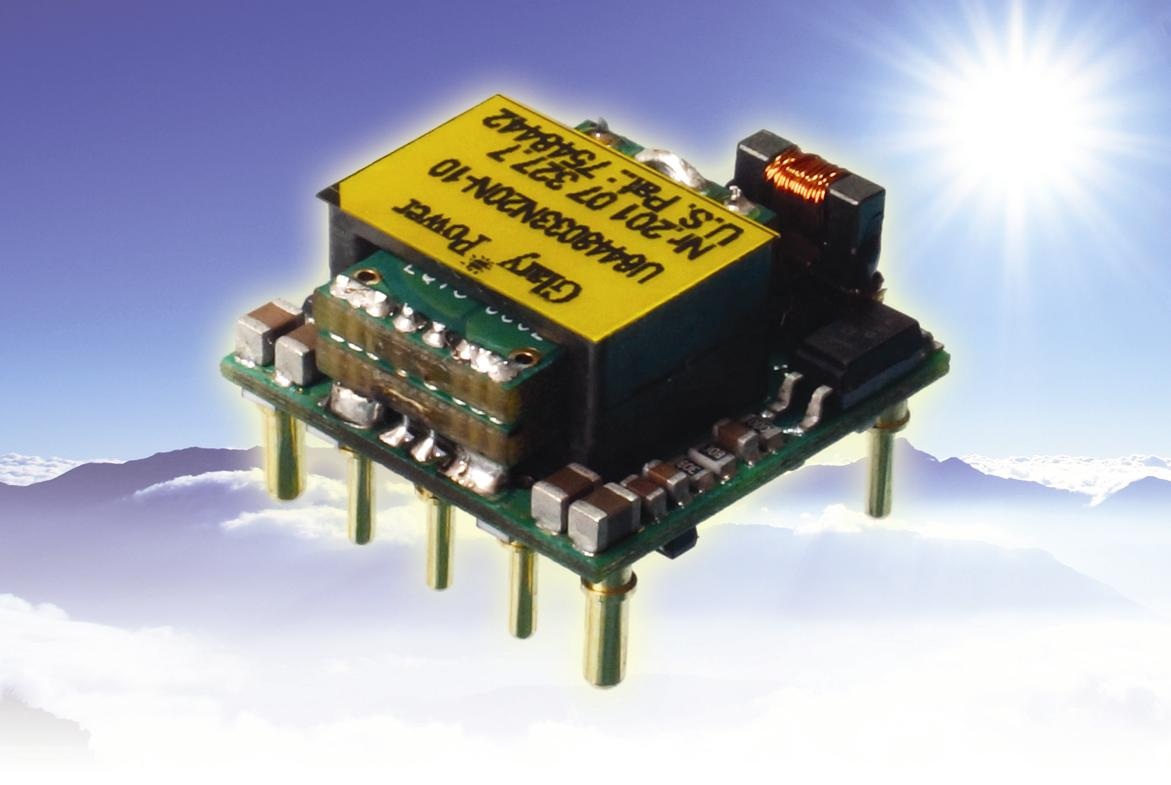
In railway, telecom, and solar installations, input voltages fluctuate wildly. Lines supplied by Glary Power Technology, Powergood, and HVM Technology deliver ultra-wide input ranges (2:1, 4:1, and up to 12:1) with galvanic isolation reaching up to 3000VAC / 5000VDC. High-voltage DC/DC modules from HVM Technology extend capabilities into micro-size, high-voltage outputs essential for scientific instruments, mass spectrometers, and specialized industrial detectors.
C. Aluminum Electrolytic Capacitors for High-Ripple Environments
Capacitors are frequently the lifetime-limiting component in power supplies. Partnering with ZEASSET Electronic Technology, eMergy Tech delivers custom and standardized aluminum electrolytic capacitors featuring long lifetime ratings (up to 10,000 hours at 105°C), high surge resistance, and specialized anti-vibration structures for heavy machinery.
Industrial Power Converter Specification Comparison
| Product Category | Input Voltage Range | Efficiency Range | Primary Certifications | Ideal Industrial Application |
|---|---|---|---|---|
| AC/DC Enclosed Units | 85–264 VAC (Universal) | 88% – 95% | UL/EN 62368-1, CE, RoHS | Industrial Automation, Motor Control, Robotics |
| DIN-Rail Power Supplies | 90–264 VAC / 120–370 VDC | 90% – 96% | IEC 61000-6-2, UL 508 | Control Panels, Cabinet Systems, PLCs |
| Brick DC/DC Converters | 9–36 VDC / 18–75 VDC (4:1) | 89% – 94% | EN 50155, EN 45545-2 | Railway Rolling Stock, Transportation, Telecom |
| High-Voltage DC/DC Modules | 5 VDC, 12 VDC, 24 VDC | 80% – 90% | ISO 9001, Specialized OEM | Medical Devices, Scientific Instruments, Piezo Motors |
| Configurable / Modular PSU | 85–264 VAC (3-Phase option) | 91% – 95% | IEC 60601-1 (Medical), IEC 62368-1 | Custom OEM Equipment, Lab Testing, Lasers |
3. Technological Trends Reshaping Industrial Equipment Power Supplies
The global power supply industry is undergoing a structural paradigm shift driven by decarbonization, electrification, and digitization. Procurement leaders must understand these technological trends to ensure long-term system viability:

A. Adoption of Wide-Bandgap (WBG) Semiconductors: GaN and SiC
Silicon (Si) MOSFETs are approaching their physical operational limits regarding switching frequency and thermal resistance. Gallium Nitride (GaN) and Silicon Carbide (SiC) devices allow switching speeds up to 10 times faster than silicon, reducing power loss by up to 50%. This enables dramatic downsizing of passive magnetic components (transformers and chokes), yielding power densities exceeding 40 Watts per cubic inch.
B. Digital Power Control & PMBus Telemetry
Analog power management is giving way to digital control loops powered by microcontrollers and DSPs. Through standardized communication protocols such as PMBus or CAN bus, industrial power supplies can transmit real-time telemetry—voltage, current, internal temperature, and fan speed—to central control nodes. This enables predictive maintenance, dynamic load balancing, and smart fault logging.
C. Modular & Configurable Power Architectures
Time-to-market is a vital competitive metric for equipment manufacturers. Configurable power supplies—such as those engineered by Vox Power—allow designers to combine independent output modules within a single chassis without re-certifying the entire system. This flexibility dramatically accelerates prototype development and eliminates expensive safety agency re-approval fees.
4. Future Procurement Trends & Supply Chain Resilience Strategy
Global supply chain disruptions, geopolitical shifts, and strict European environmental directives (RoHS, REACH, ErP Eco-Design) have fundamentally changed how B2B buyers procure industrial equipment power supplies:
- Total Cost of Ownership (TCO) Over Initial Unit Price: Sourcing managers recognize that a low-cost, uncertified power supply can trigger catastrophic equipment failures, costly field recalls, and brand reputation loss. High-efficiency units reduce electricity costs and lower system thermal load, extending overall equipment life.
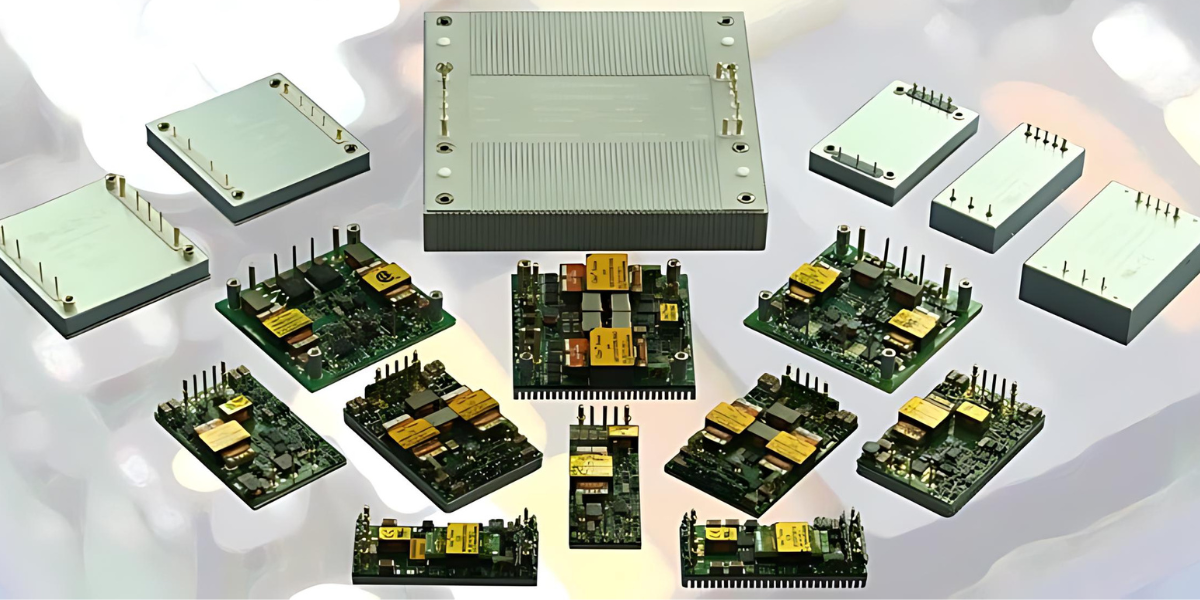
- Second-Sourcing & Form-Factor Standardization: To insulate operations from supply chain bottlenecks, procurement teams prioritize standard brick form-factors (1/16th, 1/8th, 1/4, 1/2 brick) and pin-compatible DIN-rail modules that allow drop-in replacements across multiple qualified vendors.
- Regulatory & Environmental Eco-Design Compliance: The European Union's stringent energy efficiency requirements demand standby power consumption below 0.5W and high full-load operating efficiency. Power supplies must comply with sound material traceability and recyclability guidelines.
5. Why Partner with eMergy Tech: Technical Authority & E-E-A-T Excellence
Navigating thousands of power supply part numbers, complex datasheets, and certification requirements demands a dedicated technical partner. Operating out of Corsico (Milan), Italy since 2011, eMergy Tech stands out as a trusted B2B technical consultant and authorized distributor across Europe.






Our Core Competencies & Value Proposition:
- 12+ Years of Engineering Expertise: Our senior engineers deliver dedicated technical consulting from early feasibility studies and component selection to complete custom power unit design.
- Direct Authorized Manufacturer Line-Card: Strategic partnerships with global leaders including Glary Power Technology, Powergood, Vox Power, Selec, ZEASSET Electronic Technology, YINGJIAO Electrical, Power-Win, and HVM Technology guarantee 100% authentic, factory-warranted components.
- Custom Solution Engineering: When off-the-shelf power supplies fail to meet unique spatial, mechanical, or thermal constraints, we engineer bespoke power supply modules tailored to your exact specifications.
- Dedicated After-Sales & Lifecycle Support: We provide continuous technical assistance, failure analysis support, and component end-of-life (EOL) management to ensure long-term production stability.
6. Frequently Asked Questions (FAQ) for Industrial Equipment Power Supply Sourcing
Below are detailed engineering answers to the most common queries posed by global procurement managers and hardware design teams when sourcing industrial equipment power supplies:
Q1: How do I correctly interpret thermal derating curves when sizing a power supply?
A thermal derating curve displays the maximum allowable output power a power supply can deliver safely across varying ambient operating temperatures. Typically, power units deliver 100% rated power up to +50°C. Above this temperature, output capacity derates linearly (for example, 2.5% per °C) up to +70°C or +85°C. Sourcing engineers must calculate the worst-case internal enclosure temperature and select a power supply whose derated capacity exceeds the system's peak load requirement.
Q2: What is the significance of hold-up time in industrial AC/DC power supplies?
Hold-up time is the duration (typically measured in milliseconds, e.g., 16ms to 20ms) that a power supply can maintain a valid output voltage after an interruption of AC input power. In industrial automation, adequate hold-up time allows PLCs and memory buffers to save critical state data during brief voltage sags or phase dropouts without causing ungraceful system shutdowns.
Q3: What safety standard replaces legacy IEC 60950-1 and IEC 60065 for power equipment?
IEC/EN 62368-1 is the hazard-based safety standard that fully replaced IEC 60950-1 (IT equipment) and IEC 60065 (audio/video). All new industrial equipment power supplies placed on global markets must comply with IEC 62368-1. Sourcing managers should ensure suppliers provide valid UL/CE certificates stating compliance with the latest 3rd edition of IEC 62368-1.
Q4: How does EN 50155 compliance impact power supplies used in railway applications?
EN 50155 is the stringent European standard governing electronic equipment used on rolling stock. It requires DC/DC converters to operate reliably under extreme input voltage fluctuations (0.6 to 1.4 times nominal), withstand severe shock and vibration (EN 61373), operate across extended temperature ranges (-40°C to +85°C), and provide high isolation and conformal coating to protect against condensation.
Q5: Why is active Power Factor Correction (PFC) mandatory for high-wattage industrial supplies?
Active PFC aligns the phase of input current with input voltage, raising the power factor close to unity (0.95–0.99). This reduces harmonic distortion, lowers line losses, prevents circuit breaker nuisance tripping, and fulfills international regulatory mandates such as EN 61000-3-2 for equipment consuming over 75W of mains power.
Q6: What is the difference between conduction cooling, convection cooling, and forced-air cooling?
Convection cooling relies on natural air movement around the power supply heatsinks (ideal for sealed IP67 enclosures). Conduction cooling transfers heat directly through a metal baseplate to the equipment frame (used in space-constrained or high-vibration applications). Forced-air cooling utilizes internal fans to maximize heat transfer, offering higher power density but introducing potential mechanical failure points (fan MTBF).
Q7: How can eMergy Tech help resolve component lead times and obsolete part numbers?
eMergy Tech acts as a bridge between OEMs and top-tier power component manufacturers. When an incumbent component goes end-of-life (EOL) or experiences extended factory lead times, our technical team analyzes your schematic and pinout requirements to identify pin-compatible, drop-in replacement modules with superior availability and competitive pricing.
7. Request an Engineering Consultation & Custom Power Quote
Whether you are designing a next-generation medical device, upgrading a railway control panel, or seeking a resilient sourcing strategy for high-volume AC/DC and DC/DC converters, eMergy Tech's engineering team is ready to assist.
Contact us today to discuss your project requirements, request product datasheets, or schedule a technical consultation with our Milan-based engineering team.
Ready to Optimize Your Industrial Power Architecture?
Connect with eMergy Tech's senior technical team for expert component matching, sample evaluations, and immediate factory pricing.
Send an Inquiry