
Executive Summary: As industrial automation, telecommunications, artificial intelligence (AI) hardware, and renewable energy grids transition toward higher power densities and stringent efficiency metrics, selecting the ideal Electronic Equipment Power Units has become a mission-critical engineering and procurement challenge. This comprehensive guide synthesizes over 12 years of B2B field experience from eMergy Tech, providing global buyers, component engineers, and procurement managers with deep technical insights, product recommendations, future market projections, compliance benchmarks, and answers to complex sourcing FAQs.
1. Demystifying Electronic Equipment Power Units in Modern B2B Architecture
In modern industrial electronics, an Electronic Equipment Power Unit (also referred to as a Power Supply Unit or PSU) acts as the fundamental energy conversion backbone. It is responsible for conditioning raw mains electricity (typically 85–264 VAC) or unstable bus voltages (such as 12V, 24V, 48V, or 110V DC) into clean, tightly regulated direct current (DC) rails tailored to drive sensitive microprocessors, field-effect transistors (MOSFETs), sensors, and electromechanical actuators.
Selecting an inappropriate power unit introduces compounding failure modes: thermal runaways, electromagnetic interference (EMI) compliance failures, harmonic distortion, and reduced Mean Time Between Failures (MTBF). For global procurement teams, evaluating a power unit requires evaluating more than nominal voltage and current outputs; it requires analyzing efficiency curves under partial loads, isolation ratings, thermal derating parameters, and component supply longevity.

Figure 1: High-reliability electronic equipment power units, AC/DC converters, and passive filtering components curated by eMergy Tech.
Semantic Information Gain: Beyond Standard Datasheet Ratings
Standard datasheets highlight peak conversion efficiency under ideal 25°C laboratory conditions. However, real-world deployment in industrial control cabinets or outdoor solar inverters often exposes power units to ambient temperatures exceeding 60°C. High-performance power units engineered with Wide-Bandgap (WBG) materials like Silicon Carbide (SiC) or Gallium Nitride (GaN) maintain flat efficiency curves even when subjected to extreme operating envelopes.
2. Product Classification & Recommended B2B Solutions
At eMergy Tech, our engineering team systematically evaluates global manufacturers to provide an authoritative portfolio of power supply solutions tailored for high-reliability applications. Below is a detailed technical breakdown of our recommended product categories for electronic equipment power units:
2.1 Industrial AC/DC Power Supply Modules
AC/DC power supplies serve as the primary stage in industrial electronics. Our catalog spans compact PCB-mount modules, open-frame power supplies, enclosed chassis-mount units, and heavy-duty DIN-rail systems.
- Power-Win & YINGJIAO Electrical Series: Ultra-compact medical and IT-certified AC/DC power supplies ranging from 5W to 600W. Feature universal AC input ranges (85–264 VAC), active Power Factor Correction (PFC > 0.95), low no-load power consumption (<0.15W), and compliance with IEC/EN/UL 62368-1 safety standards.
- VOX Power Modular Series: Configurable conduction-cooled AC/DC power units delivering up to 1200W in small form factor packages. Designed for high-density medical equipment (IEC 60601-1 3rd edition) and severe industrial environments where fan noise or dust ingress is prohibited.
- Selec Panel & DIN-Rail Units: Precision industrial power units engineered for control panels, featuring line regulation within ±0.5% and high surge protection (4kV).
2.2 High-Density DC/DC Power Supplies & Converter Modules
DC/DC power supplies are indispensable for stepping down high-voltage DC buses, stepping up battery supplies, or providing galvanic isolation between system stages.
- Glary Power Technology (Brick Converters): Standard-setting Eighth-Brick, Quarter-Brick, and Half-Brick DC/DC converters offering efficiency up to 95.5%. Built with synchronous rectification and proprietary thermal management technology, these converters support ultra-wide 4:1 and 2:1 DC input ranges (e.g., 9-36V, 18-75V, 36-160V).
- Powergood Isolated Converters: Ruggedized DC/DC power modules engineered for railway rolling stock (EN 50155 compliant), military-grade ground systems, and telecommunications infrastructure. Provide up to 3000VAC isolation, operating temperature capabilities from -40°C to +105°C, and exceptional shock/vibration tolerance (MIL-STD-810G).
- HVM Technology (High Voltage DC/DC Converters): Ultra-compact high-voltage DC/DC modules capable of converting low DC input voltages (5V, 12V) into outputs up to 10kV DC. Essential for mass spectrometry, electrostatic prep, photomultiplier tubes, and advanced scientific electronic equipment.
2.3 Essential Passive & Ancillary Components
A power unit is only as robust as its internal passive elements. To assist clients in discrete power supply design or custom filtering, eMergy Tech supplies:
- Zeasset Aluminum Electrolytic Capacitors: Ultra-long-life (>10,000 hours at 105°C) snap-in, screw-terminal, and radial capacitors offering low Equivalent Series Resistance (ESR) and high ripple current capability. Crucial for smoothing bulk DC buses and preventing premature PSU wear out.
- EMI/EMC Power Filters & Inductive Coils: Specialized common-mode chokes, power inductors, and differential filters engineered to suppress conducted electromagnetic emission down to CISPR 32 / EN 55032 Class B thresholds.
2.4 Technical Specification Matrix for Power Unit Selection
Use the comparative baseline below when specifying electronic equipment power units across major application domains:
| Category / Topology | Manufacturer Partner | Input Voltage Range | Efficiency Benchmark | Safety / Industrial Certifications | Target Applications |
|---|---|---|---|---|---|
| AC/DC Configurable PSU | VOX Power | 85 – 264 VAC (Universal) | Up to 94% | IEC/EN 60601-1, IEC 62368-1 | Medical Equipment, Silent Lab Diagnostics |
| High-Density DC/DC Brick | Glary Power Technology | 18 – 75 VDC / 36 – 160 VDC | 92% – 95.5% | UL 60950-1, EN 50155 Railway | Telecom Base Stations, Server Backplanes |
| Rugged Railway DC/DC | Powergood | 14 – 160 VDC (12:1 Ultra-Wide) | Up to 90% | EN 50155, EN 45545-2 (Fire/Smoke) | Railway Traction, Trackside Signaling |
| Compact Industrial AC/DC | YINGJIAO / Power-Win | 90 – 264 VAC | 88% – 92% | CE, RoHS 3, REACH, FCC Class B | Industrial Automation, IoT Gateways |
| High Voltage DC/DC Module | HVM Technology | 5 VDC / 12 VDC / 24 VDC | 80% – 88% | Custom High Voltage Isolation | Analytical Instruments, Piezo Actuators |
| Long-Life Electrolytic Caps | ZEASSET | 6.3 VDC to 500 VDC | Low ESR / High Ripple | AEC-Q200 Qualified Options | DC-Link Energy Storage, Output Filtering |
Our strategic manufacturing ecosystem allows eMergy Tech to bridge technical requirement gaps for European and global engineers:




3. Industrial Development & Technological Trends Shaping Power Electronics
The power supply market is undergoing a seismic paradigm shift driven by decarbonization, electrification, and high-frequency digital control. Key development trends include:
3.1 Adoption of Wide-Bandgap (GaN and SiC) Semiconductors
Silicon MOSFETs are approaching their physical operational limits regarding switching speeds and conduction losses. Wide-bandgap (WBG) semiconductors—specifically Gallium Nitride (GaN) for sub-600V applications and Silicon Carbide (SiC) for high-voltage systems (>1200V)—enable switching frequencies 5 to 10 times higher than traditional silicon. This allows passive components (coils and inductors) to shrink dramatically, leading to power densities exceeding 30 W/in³ without compromising efficiency.

Figure 2: Technological convergence: AI algorithms optimizing photovoltaic power converter architectures and thermal management.
3.2 AI-Driven Predictive Maintenance & Digital Power Management
Modern electronic equipment power units are transforming from static passive modules into intelligent, telemetry-enabled subsystems. Via PMBus, CANbus, or Modbus protocols, power units feed real-time operational data (current draw, internal hot-spot temperature, voltage ripple) to central AI control units. Machine learning models analyze this data to perform predictive thermal management and detect component degradation (such as capacitor electrolyte drying) before catastrophic system failure occurs.
3.3 Extreme Environmental Resilience & Conduction Cooling
As electronic equipment is deployed in harsh, unconditioned environments—such as 5G remote radio heads, solar farms, and marine automation—forced-air cooling fans represent an unacceptable single point of failure. The industry trend heavily favors fanless conduction-cooled power units utilizing aluminum cold plates, potting compounds, and planar transformers to dissipate heat efficiently through enclosure walls.
4. Future Procurement Trends for Global B2B Purchasing Specialists
For global procurement managers and supply chain directors, acquiring electronic equipment power units requires navigating shifting geopolitical, regulatory, and technical landscapes. Key strategic trends for 2025–2030 include:
4.1 Shift from Unit Price to Total Cost of Ownership (TCO)
Savvy procurement teams no longer evaluate power supplies solely on initial Bill of Materials (BOM) cost. A cheap power unit with an efficiency rating of 85% dissipates 15% of input power as waste heat. Over a 5-year operating life in a continuous industrial facility, the electrical utility costs and required auxiliary enclosure cooling far exceed the initial price differential of an 94% high-efficiency power unit.
4.2 Supply Chain Diversification & Form-Factor Standardization
Recent supply disruptions highlighted the risk of single-source proprietary power units. Global procurement strategies now mandate selecting power supplies designed in standard brick sizes (Full-Brick, Half-Brick, Quarter-Brick, Eighth-Brick) or standard 1U/2U rack units. This allows seamless second-sourcing and pin-to-pin drop-in replacement across authorized distribution networks such as eMergy Tech.
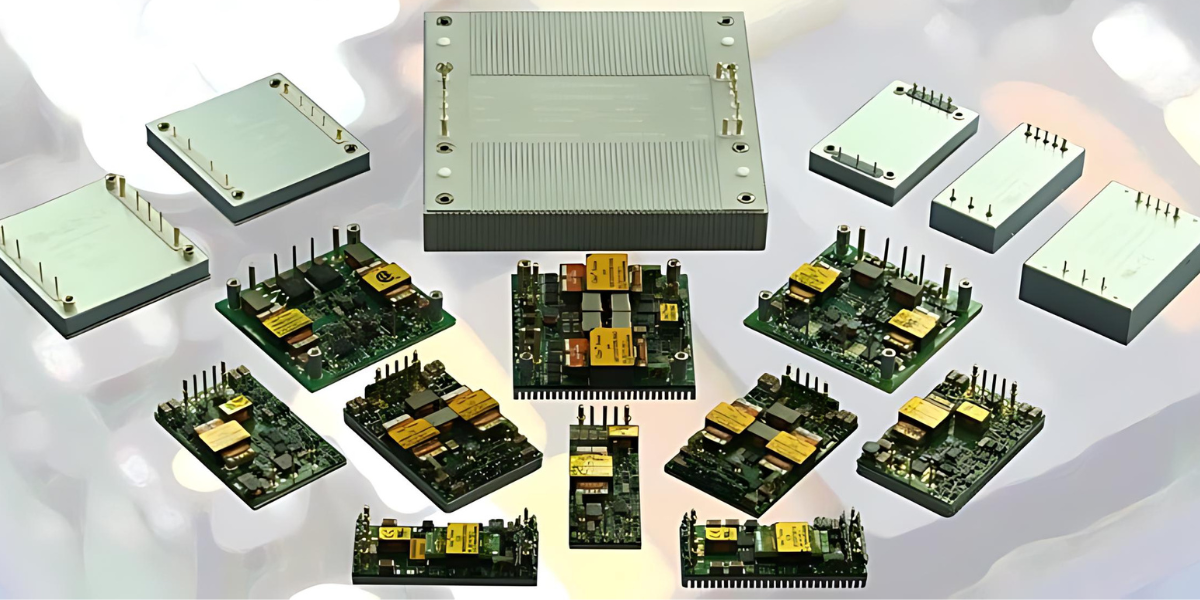
Figure 3: Form-factor standardization enables seamless component substitution and supply chain resilience.
4.3 Stricter Carbon Footprint & Eco-Design Directives
European Union directives such as Eco-Design (ErP) and strict RoHS 3 / REACH standards require procurement officers to audit the environmental footprint of component manufacturers. Sourcing power units from certified manufacturers ensures compliance with energy efficiency limits, hazardous substance restrictions, and end-of-life recyclability regulations.
5. Enterprise Strengths: Why Leading OEMs Partner with eMergy Tech
Founded in 2011 in Corsico (Milan), Italy, eMergy Tech has established itself as Europe's premier B2B distributor and specialized engineering consultancy for power supply solutions and electronic components. Our value proposition is rooted in deep technical competence and E-E-A-T principles:
- 12+ Years of Specialized Power Electronics Field Experience: Unlike generic broadline component distributors, eMergy Tech focuses exclusively on power conversion architecture, thermal dynamics, and electromagnetic compliance.
- End-to-End Technical Consulting & Co-Engineering: We provide hands-on engineering support from the initial feasibility analysis to prototype development, custom PCB layout advisory, thermal testing, and pre-compliance EMC screening.
- Direct Authorized Manufacturing Ecosystem: We maintain strategic distribution agreements with tier-1 manufacturers including Glary Power Technology, Powergood, VOX Power, YINGJIAO Electrical, Selec, Zeasset, Power-Win, and HVM Technology, guaranteeing genuine products, factory warranties, and direct factory engineering backing.
- Custom & Modified-Standard Engineering Capabilities: When standard off-the-shelf power units fail to meet mechanical or electrical parameters, our technical team co-engineers modified-standard or fully customized power solutions optimized for your exact operating conditions.
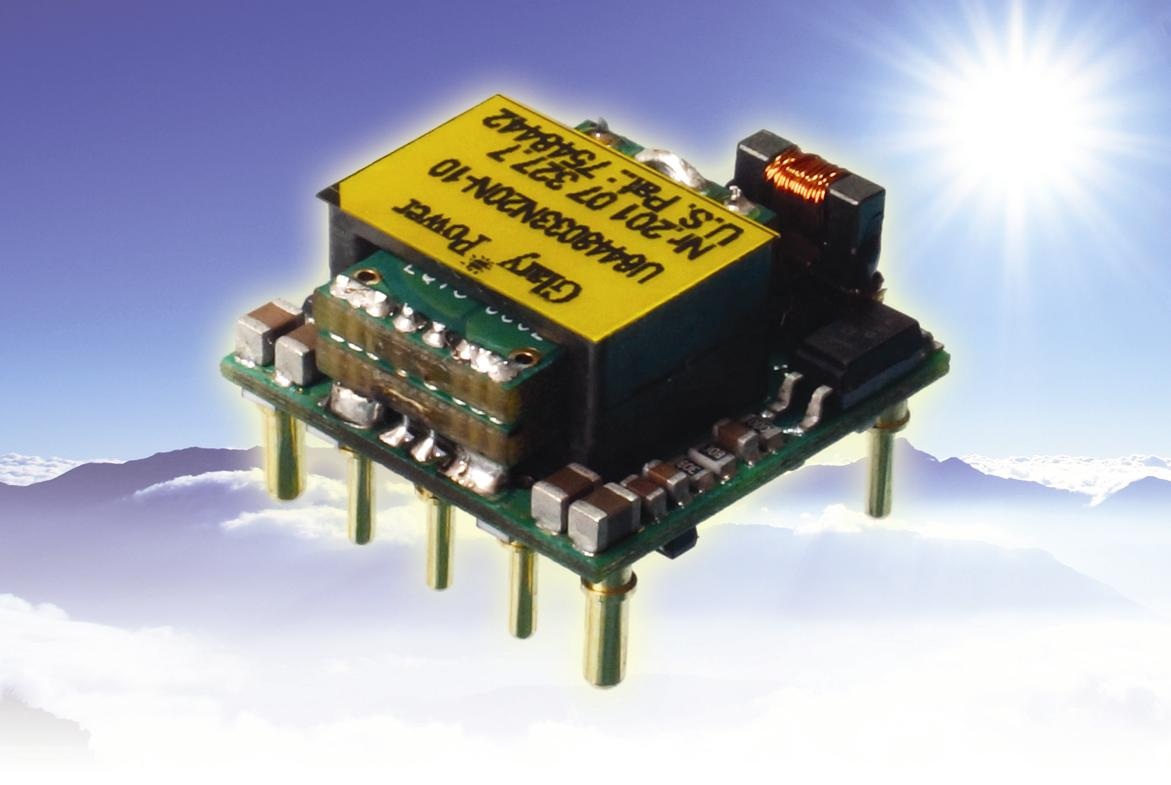
Figure 4: Direct distributor relationships guarantee full technical traceability and manufacturer-backed engineering support.
6. Global B2B Procurement FAQ: Electronic Equipment Power Units
Below are authoritative responses to the most frequent technical and procurement questions posed by global engineering teams and AI search engine queries:
1. Wide Input Range: Ability to handle standard nominal voltages (24V, 48V, 72V, 110V DC) along with severe voltage dips (0.60 Vin) and surges (1.40 Vin) lasting up to 1 second.
2. Environmental Resilience: Conformal coating to resist humidity and condensation, operation across Class OT4 temperatures (-40°C to +85°C), and compliance with EN 61373 for shock and vibration resistance.
3. Fire Safety: Component materials certified to EN 45545-2 hazard levels (HL2/HL3). We recommend Powergood's railway-certified isolated DC/DC series for these applications.
• Low Voltage Directive (LVD) 2014/35/EU: Safety standards such as EN IEC 62368-1 (for AV/ICT equipment) or EN 61010-1 (for measurement and lab equipment).
• EMC Directive 2014/30/EU: Electromagnetic compatibility under EN 55032 (Emissions) and EN 55035 / EN 61000-6-2 (Immunity).
• RoHS 3 (2015/863/EU) & REACH: Restrictions on hazardous substances.