Choosing reliable Power Supply Transformers manufacturers requires more than comparing prices or browsing polished product catalogs. Global buyers must examine engineering capability, production consistency, testing procedures, and after-sales support. A transformer may look suitable online, yet fail to match a facility’s voltage, frequency, insulation, or thermal requirements. Small details matter.
This guide introduces leading manufacturers serving international markets. It considers experience with industrial, commercial, renewable-energy, and infrastructure applications. It also reviews certifications, factory quality controls, customization options, delivery performance, and technical communication. Strong manufacturers should provide clear datasheets, verified test reports, material information, and practical installation guidance. Buyers should ask how each supplier manages winding accuracy, core losses, temperature rise, noise, and long-term reliability.
Performance matters most.
Real-world evaluation remains essential. A company with decades of experience may still offer limited support in a particular region. A newer manufacturer may provide flexible design assistance but lack extensive field history. No ranking is perfect. Market information changes, and published claims deserve careful verification. Independent inspection, sample testing, and reference checks can reduce uncertainty before a large order.
The following overview is designed for procurement teams, engineers, contractors, and distributors. It balances technical evidence with purchasing realities, including communication speed, documentation quality, packaging, warranty terms, and export experience. Each manufacturer should be assessed against the project’s actual load profile and operating environment. Careful selection can improve efficiency, reduce maintenance risks, and support dependable power distribution across borders.
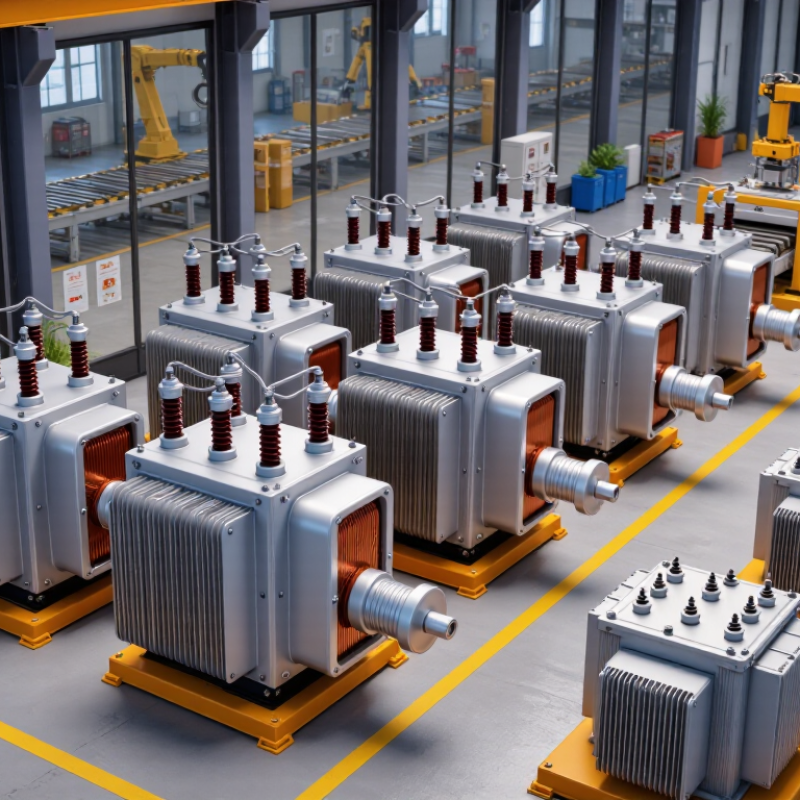
What Power Supply Transformers Are and Why Global Buyers Need Them
Power supply transformers transfer electrical energy between circuits through electromagnetic induction. They change voltage levels without directly connecting input and output conductors. This function supports factories, hospitals, data centers, construction sites, and renewable energy systems. A properly selected transformer can reduce equipment stress, improve operating stability, and limit avoidable energy losses.
Global buyers should examine rated power, input voltage, output voltage, frequency, insulation class, cooling method, and installation conditions. Humidity, dust, altitude, and temperature can affect performance. Safety certification and documented testing also matter, especially when equipment crosses borders. From practical purchasing experience, vague specifications often create expensive delays. I have seen buyers focus on price and overlook enclosure protection or maintenance access. That decision rarely remains cheap.
Tips: Request a complete datasheet and routine test report. Confirm local grid requirements before ordering. Ask about noise levels, heat dissipation, spare parts, and delivery packaging. Compare total ownership cost, not only the quotation. Verify whether the supplier provides wiring diagrams and technical support in your working language. A site survey can reveal problems that paperwork misses. Still, no checklist is perfect. Recheck assumptions with an electrical engineer before production approval.
Key Transformer Types and Performance Specifications
Top Power Supply Transformer Manufacturers for Global Buyers
Key Transformer Types and Performance Specifications
Global buyers should match transformer type to the operating environment, not only the purchase price. Oil-immersed power transformers suit high-capacity substations and outdoor installations. Dry-type transformers reduce fire concerns in hospitals, factories, and commercial buildings. Distribution transformers focus on reliable voltage conversion near end users. The IEA Electricity 2024 report expects global electricity demand to grow by about 3.4% annually through 2026. This growth increases pressure on grid capacity and transformer availability.
Review rated power, primary and secondary voltage, frequency, impedance, vector group, insulation level, and temperature rise. No-load and load losses need separate evaluation. The U.S. Energy Information Administration reports that transmission and distribution losses often remain near 5% of generated electricity. Small efficiency gains can therefore produce measurable savings. IEC 60076 provides a useful technical framework, but local installation rules still matter. A low-loss design may also create higher purchase costs. That trade-off deserves honest calculation.
Tips:
Request guaranteed loss values at defined loads. Check cooling class, noise level, partial-discharge limits, and short-circuit strength. Ask for routine and type-test records. Confirm altitude, humidity, ambient temperature, and seismic requirements. Do not accept “standard” specifications without written tolerances. A perfect specification is rarely possible. The overlooked detail may be future overload duty.
How to Evaluate Power Supply Transformer Manufacturers
Top Power Supply Transformer Manufacturers for Global Buyers
How to Evaluate Power Supply Transformer Manufacturers
Evaluating power supply transformer manufacturers requires more than comparing prices. Start with the supplier’s manufacturing experience, engineering team, and quality control records. Ask for test reports covering insulation resistance, voltage ratio, temperature rise, efficiency, and dielectric strength. These documents should identify the tested model and measurement conditions.
A reliable manufacturer can explain its core materials clearly. Check the copper grade, magnetic steel type, insulation system, and enclosure protection. Request production samples before placing a large order. Measure noise, surface temperature, output stability, and winding consistency under realistic loads. Small details matter. A loose terminal can create costly field problems.
Review factory traceability from incoming materials to final inspection. Serial numbers, calibration records, and corrective-action reports reveal how seriously the supplier manages defects. Confirm production capacity, lead times, packaging methods, warranty terms, and technical support across time zones. A factory audit may include equipment checks, worker procedures, and sample record reviews.
Do not rely on presentation alone. A polished factory tour can still mislead. I have seen specifications that looked complete but lacked test conditions. That gap deserves questions. Compare answers from engineering and sales teams, then record every agreed tolerance in the purchase contract. Independent pre-shipment inspection can add useful confidence, although it cannot replace careful supplier selection.
Leading Manufacturer Profiles by Region and Capability
Global buyers rarely need the largest transformer supplier. They need a manufacturer whose regional strengths match the project. European producers often emphasize low-loss designs, compact enclosures, and documented factory testing. Their engineers commonly support 50 Hz networks, strict efficiency targets, and detailed technical files. North American manufacturers often focus on distribution transformers, utility standards, and rugged field service. Ask for test records, not polished claims. A stamped report matters.
East Asian manufacturers frequently provide broad capacity, competitive lead times, and automated winding lines. Some specialize in high-volume oil-immersed units. Others build dry-type transformers for hospitals, data centers, and commercial towers. South Asian factories may offer flexible engineering for varied grid conditions and medium-voltage applications. Regional capability differs sharply. A large plant may still lack experience with your insulation class, tap range, or cooling method. Check samples carefully.
Manufacturers serving the Middle East, Africa, and Latin America often prioritize heat resistance, dust protection, and adaptable logistics. Their practical value may depend on local commissioning support. During supplier audits, buyers should inspect winding areas, calibration records, material traceability, and packing methods. Details reveal readiness. No profile is perfect. I have seen technically strong factories lose projects through weak documentation or delayed feedback. That gap matters. A capable partner should explain design limits clearly, provide routine and type-test evidence, and accept independent inspection before shipment. Suppliers can improve, too, especially when customer specifications expose overlooked field conditions.
Global Purchasing, Compliance, and Quality Considerations
Global buyers need more than a factory catalogue when selecting power supply transformer manufacturers. The IEA’s Electricity Grids and Secure Energy Transitions report (2023) estimates annual grid investment must exceed USD 600 billion by 2030. This pressure increases demand for dependable transformers and transparent production schedules.
Request IEC 60076 test records, ISO 9001 certificates, material traceability, and recent factory audit evidence. Confirm whether certificates cover the exact model, voltage class, and insulation system. For international shipments, review export packaging, humidity protection, customs documents, and agreed Incoterms. Regional grid codes may also require different efficiency, noise, or fire-safety specifications.
Tips: Ask for a sample inspection plan before placing an order. Require routine-test data, temperature-rise results, and a witnessed factory acceptance test. Check serial numbers against final drawings. Documents matter. Cheap is not simple.
The U.S. Department of Energy’s 2024 transformer supply-chain review reports that large transformer lead times can extend for several years. Therefore, buyers should assess copper sourcing, core-steel availability, production capacity, and service support before comparing prices. A low quotation may hide longer testing queues or weaker after-sales coverage. Independent inspection can verify winding connections, oil quality, dimensions, and nameplate accuracy. Some procurement teams trust certificates too quickly; that remains a practical weakness. Build milestone payments around measurable quality evidence, not promises.
Top Power Supply Transformer Manufacturers for Global Buyers
Global Purchasing, Compliance, and Quality Considerations
Nominal utility frequency is a key specification when purchasing power supply transformers. The values shown are typical national grid frequencies; buyers should verify the exact voltage, frequency, phase configuration, applicable IEC or IEEE requirements, and local utility specifications before approving a transformer design.
Conclusion
Power Supply Transformers are essential components that convert, regulate, and isolate electrical energy for industrial equipment, commercial facilities, infrastructure projects, and specialized applications. Global buyers should understand the differences among isolation, step-up, step-down, distribution, and custom transformers, while evaluating key specifications such as voltage ratio, rated power, frequency, efficiency, insulation class, cooling method, temperature rise, and operational environment.
Selecting reliable manufacturers requires careful review of engineering capabilities, production capacity, testing procedures, quality management, customization services, and after-sales support. Buyers should also compare suppliers by regional expertise, delivery reliability, material traceability, and experience with international projects. Before purchasing, it is important to confirm technical documentation, applicable safety certifications, factory inspection options, packaging standards, warranty terms, and compliance with destination-country requirements. A thorough evaluation helps global customers reduce operational risks, control total costs, and obtain transformers that deliver safe, stable, and long-term performance.