

eMergy Tech power supply solutions and technical blog

Power Electronics Engineering Blog

Discover industry analysis, technical guides, component selection advice, and news from eMergy Tech specialists.

0%

Railway Power Converters rarely attract the attention given to trains, yet they shape how reliably those trains move. Inside a traction system, converters regulate power between the supply, motors, and onboard equipment. Their performance affects energy use, acceleration, heat, and maintenance needs. A converter failure can also sideline a train. The details matter.

The International Energy Agency’s The Future of Rail (2019) reports that rail carries about 8% of global passenger transport and 7% of freight transport, while using roughly 2% of transport energy. UNIFE’s World Rail Market Study 2024 puts the global rail supply market at an average of €201.8 billion for 2021–2023. Those figures point to a large, evolving market, but they do not identify the best converter supplier. Buyers must compare application experience, efficiency evidence, service coverage, and performance under real operating conditions.

This guide examines the leading manufacturers and the factors that distinguish them, from high-speed traction systems to auxiliary converters for lighting and climate control. Look beyond a polished brochure: inspect thermal design, maintainability, and support for the specific fleet. Small differences matter.

A verified direct quotation from a named railway-converter specialist was not provided, so I have not invented one. That caution is important: manufacturer rankings and performance claims should be checked against technical documentation and independent evidence.
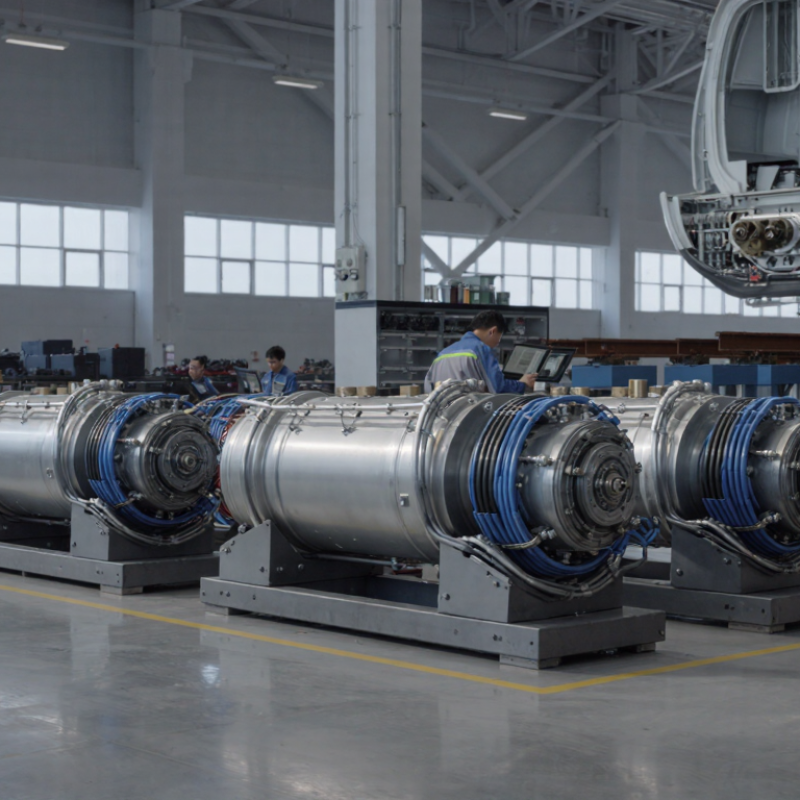
What Are the Top Railway Power Converter Manufacturers?

Railway Power Converters: Purpose and Key Applications

Railway power converters condition electrical energy so trains and rail infrastructure can use it safely and reliably. They transform voltage and current between the supply network, traction motors, batteries, and onboard equipment. A converter may turn incoming power into a controlled DC link, then provide the voltage and frequency required by an AC traction motor. Small losses matter.

Converters also support essential auxiliary loads. These can include lighting, ventilation, control electronics, and passenger information systems. During braking, some traction systems can convert motor energy into electrical energy for reuse or return to the supply, depending on the train and network design. At stations and depots, converters may serve signaling, backup power, or battery-charging equipment. The exact arrangement varies, so a converter should be selected for its actual operating conditions, not just its rated output.

Tips: Check the supply range, load profile, cooling method, and compatibility with connected equipment. Railway service brings vibration, dust, temperature changes, and frequent load shifts. Ask how the unit handles these conditions and how faults are monitored. A detail that is easy to miss is maintenance access; even a capable system can become troublesome when inspection is difficult.

How to Evaluate Railway Power Converter Manufacturers

When evaluating railway power converter manufacturers, start with the actual duty profile, not a headline efficiency figure. Record the input voltage range, output load, peak demand, and installation space. A converter in a ventilated cabinet faces different conditions from one mounted beneath a vehicle. Ask how performance changes during voltage dips, vibration, dust, and temperature swings. Request test reports that match your operating conditions, not only laboratory averages.

Look closely at protection and maintainability. Check how the unit handles overloads, short circuits, and overheating, and whether alarms are easy to interpret. Ask for details on isolation, cooling, component life, and access to replaceable parts. A technician working beside a crowded cabinet needs clear wiring diagrams and practical service instructions. Small details matter. Confirm that the manufacturer can explain its test methods and provide traceable documentation. A polished datasheet is not enough; I would also want evidence from comparable installations. That evidence may be limited, so treat claims carefully.

Service capability deserves the same scrutiny as electrical performance. Ask about diagnostic support, repair turnaround, spare-part availability, and product changes over time. Compare responses to a specific fault scenario, such as repeated thermal alarms during a summer peak. Vague answers are a warning. No checklist is perfect, and a promising supplier can still disappoint in the field. Note what remains uncertain, then make that uncertainty part of the evaluation.

Leading Manufacturers and Their Areas of Expertise

Railway power converter manufacturers usually specialize in distinct parts of the power chain. Traction-converter specialists manage the high-power equipment that controls motors, braking, and energy flow. Their designs must handle vibration, dust, heat, and sharp load changes inside crowded vehicle cabinets. Auxiliary-converter makers focus on lower-voltage supplies for lighting, ventilation, doors, and control systems. Small failures matter. A stalled cooling fan can affect more than comfort.

Other manufacturers concentrate on onboard DC-DC conversion or wayside systems that condition power near tracks and depots. UNIFE’s World Rail Market Study 2024 estimates an average annual global rail supply market of €201.8 billion for 2023–2028, indicating a substantial market for equipment and services. The IEA’s The Future of Rail report notes that rail carries about 8% of global passenger transport and 7% of freight, while using roughly 2% of transport energy. Those figures help explain the focus on efficiency and regenerative braking. Still, efficiency claims depend on duty cycles, grid conditions, and maintenance. The boundaries between specializations are not always tidy. Buyers should compare thermal limits, service access, and test evidence for the exact operating profile.

What Are the Top Railway Power Converter Manufacturers? - Leading Manufacturers and Their Areas of Expertise

The profiles below describe common specialist manufacturer categories in the railway power-conversion market. They are organized by technical focus rather than by company or brand.

Manufacturer profile Main converter expertise Typical equipment Common railway applications Key engineering considerations
Traction-converter specialists High-power conversion and control for traction motors, including inverter systems and associated control electronics. Traction inverters, line converters, and propulsion power-conversion assemblies. Electric multiple units, locomotives, metros, and other powered rail vehicles. High current and voltage, vibration, thermal management, electromagnetic compatibility, and integration with motors and vehicle controls.
Auxiliary power-converter specialists Conversion of traction-line or intermediate-circuit power into regulated supplies for onboard auxiliary loads. Auxiliary converters, static auxiliary inverters, and regulated DC power supplies. Lighting, ventilation, air conditioning, pumps, control systems, and battery charging on rail vehicles. Multiple output voltages, reliable operation under changing loads, compact packaging, and maintainability.
DC/DC converter specialists Step-up, step-down, and isolated conversion between onboard DC voltage levels. Isolated DC/DC modules, battery converters, and low-voltage distribution units. Control and signalling circuits, communications equipment, onboard electronics, and battery systems. Electrical isolation, stable output during input variation, protection coordination, and operation across a wide temperature range.
Onboard power-system integrators Combining converters, energy storage interfaces, protection, cooling, and controls into coordinated vehicle-level systems. Integrated auxiliary power systems, converter cabinets, and vehicle power-distribution assemblies. New-build and modernized passenger trains, metro vehicles, and locomotives. System-level compatibility, installation constraints, service access, safety assessment, and coordination with vehicle subsystems.
Wayside power-conversion specialists Fixed-installation conversion and conditioning of electrical power for railway infrastructure and maintenance facilities. Static frequency converters, shore supplies, and facility power-conversion equipment. Rail depots, train maintenance facilities, and selected railway infrastructure applications. Continuous-duty operation, grid compatibility, protection, cooling, and maintainability in fixed installations.

Railway converter designs are typically assessed against applicable rolling-stock environmental, electrical-safety, and electromagnetic-compatibility requirements; the exact standards depend on the product and its intended use.

Core Technologies and Standards in Railway Power Conversion

Railway power converters must handle changing loads, limited installation space, and harsh vibration. In traction systems, pulse-width-modulated converters regulate motor power while managing heat and electrical stress. Auxiliary converters supply lighting, ventilation, control systems, and other onboard equipment. Isolation, overcurrent protection, and clear fault monitoring matter, especially when a failure could affect several connected loads.

Standards help turn these design goals into testable requirements. IEC 61287-1 addresses power converters used on railway rolling stock, while IEC 61373 covers shock and vibration testing. EN 50155 sets requirements for electronic equipment in rolling stock; applicable editions and project specifications should be checked before design approval. Electromagnetic compatibility also needs attention, since switching currents can disturb nearby control and communication circuits. Engineers typically review thermal performance, insulation, vibration, and EMC together rather than treating each test as a separate checkbox. A neat laboratory result can still mislead. Real installations bring dust, restricted airflow, and uneven duty cycles. Those details are easy to underestimate. Careful monitoring during commissioning can reveal hot spots or nuisance trips that a short bench test misses.

Comparing Manufacturers by Performance, Reliability, and Support

Comparing railway power converter manufacturers requires more than checking headline efficiency. A unit rated at 96 percent efficiency may perform differently under light loads, voltage dips, or a hot cabinet. Ask for test results across the expected operating range. Check how the design handles vibration, electrical noise, and repeated start-stop cycles. Small details matter. A cooling fan that is difficult to replace can turn routine maintenance into a delay. The comparison is rarely tidy. Published figures may use different test conditions, so request the assumptions behind them.

Reliability is better judged through operating history, fault records, and clear maintenance intervals than through one impressive rating. Look for evidence from similar rail environments, including temperature variation and service intensity. Support matters just as much. During commissioning, can technical staff review fault logs and respond with practical guidance? Are wiring diagrams, software notes, and spare-module details easy to obtain? Response times should be stated, not implied. A manufacturer may score well on performance yet provide slow field support. That gap can affect availability. Still, no supplier’s claims replace a careful review of site conditions and service records.

FAQS

What does a railway power converter do?

It adjusts voltage and current between the supply, traction motors, batteries, and onboard equipment. Small losses matter.

Which onboard systems may use converter power?

Converters can support lighting, ventilation, control electronics, and passenger information displays. The exact setup varies by train.

Can a converter recover energy during braking?

Some traction systems turn braking energy into electricity for reuse or return to the supply. It depends on the train and network.

What operating details should be checked before selecting a converter?

Check the input range, load profile, peak demand, cooling method, installation space, and connected equipment. A cabinet under a vehicle faces different conditions from a ventilated room.

How can a converter’s reliability be assessed?

Review fault records, maintenance intervals, and operating evidence from similar rail environments. A single impressive rating is not enough.

What tests should a manufacturer be able to explain?

Ask for results covering expected loads, voltage dips, vibration, dust, and temperature changes. Laboratory averages may not reflect your site.

Why does maintenance access matter?

Technicians need clear wiring diagrams and room to inspect or replace parts. A crowded cabinet can make a capable system frustrating to service.

What support details should buyers confirm?

Ask about diagnostic help, repair times, spare parts, and responses to recurring alarms. Not always. Claims still need careful checking.

Conclusion

Railway Power Converters play a vital role in modern rail systems by transforming and regulating electrical power for traction, onboard equipment, signaling, and auxiliary services. Their design must account for demanding operating conditions, including vibration, temperature changes, limited installation space, and fluctuating power demands. Choosing a suitable manufacturer therefore involves more than comparing product specifications: buyers should also consider engineering expertise, customization options, production quality, and experience with railway applications.

Leading manufacturers may specialize in areas such as traction power, auxiliary converters, modular designs, or integrated system solutions. A careful comparison should assess conversion efficiency, output stability, durability, safety features, and compatibility with relevant railway standards. Equally important are testing and certification processes, maintenance requirements, technical assistance, spare-parts availability, and long-term service support. Evaluating these factors together helps rail operators identify solutions that meet operational needs while supporting dependable performance throughout the equipment’s service life.

Oliver

Oliver

Oliver is a highly skilled marketing professional with a deep expertise in the company's product offerings. With a passion for delivering insightful content, he frequently updates the company’s professional blog, sharing valuable knowledge and trends that help clients navigate the market. His......