

Knowledge Base & News

Technical Insights & Power Electronics Blog

Engineering analysis, application guides, and official updates on AC/DC modules, DC/DC converters, and industrial power supply systems.

0%

In today's rapidly evolving technological landscape, selecting the right High Voltage DC/DC Converters is crucial for project success. These converters play a pivotal role in various applications, from renewable energy systems to electric vehicles. Their ability to efficiently convert high voltage direct current makes them indispensable in modern electronics.

Understanding the nuances of these systems can be challenging. Each converter has unique specifications, influencing performance and efficiency. Choosing the wrong one can lead to significant operational issues or increased costs. This reality demands careful consideration and trusted expertise.

High Voltage DC/DC Converters must be evaluated based on power requirements and application needs. Reliability and performance are key factors. However, many projects overlook the detailed specifications that could impact their outcomes. Learning about these components can enhance project efficiency and sustainability.
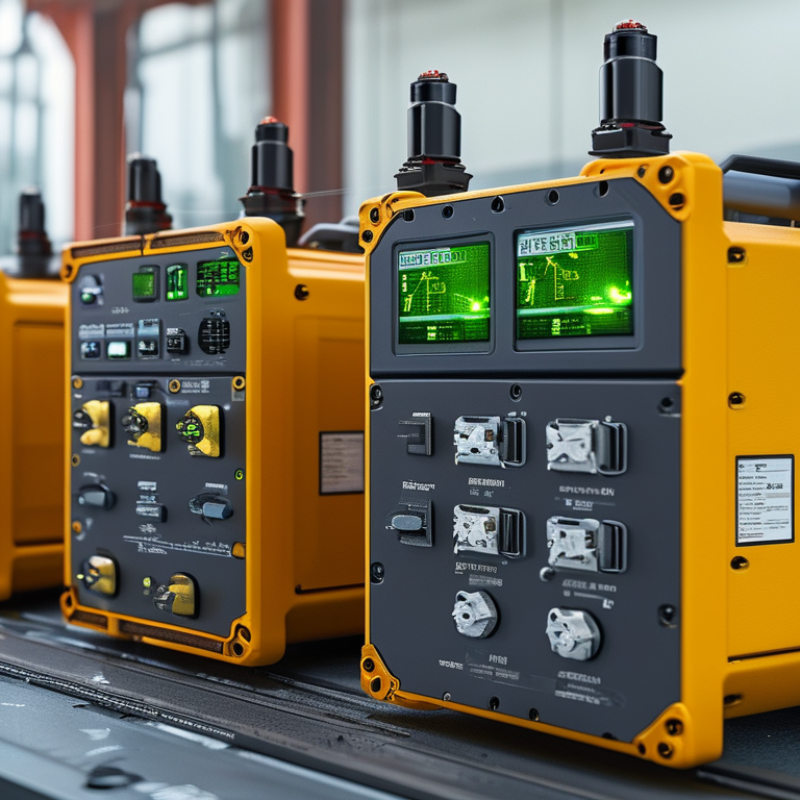
Top 5 High Voltage DC/DC Converters for Your Project Needs?

Understanding High Voltage DC/DC Converters and Their Applications

High voltage DC/DC converters are essential in modern power electronics. They allow efficient voltage regulation and power management for various applications. These converters transform high DC input voltages to lower DC output voltages. Their application spans across renewable energy systems, electric vehicles, and industrial automation.

Understanding how these converters operate is crucial. They typically use switching devices to control energy transfer. Efficiency and reliability are key factors in their design. Engineers must consider these aspects when selecting a converter for a project. Poor selection can lead to inefficient performance and system failures. It’s vital to evaluate the load requirements accurately.

Moreover, the integration of safety features is often overlooked. High voltages can pose risks, so implementing protective circuits is important. Understanding the thermal performance of these converters can help avoid overheating. Users must also reflect on the environmental conditions in which the converter will operate. Proper heat dissipation mechanisms need to be in place. These details ensure long-term reliability and optimal performance in your projects.

Key Features to Consider in Choosing a High Voltage DC/DC Converter

Selecting a high voltage DC/DC converter requires careful consideration of several key features. Efficiency is paramount. A converter with high efficiency ensures minimal energy loss during operation. Look for models with conversion efficiencies above 90%. This is crucial for projects where power conservation is a priority.


Another essential feature is voltage range. The converter should accommodate the input and output voltages specific to your application. Verify that the device can handle your system's demands without compromising safety. A converter's thermal performance is also significant. High performance under elevated temperatures is vital to maintain reliability in demanding environments.


Model selection can also be a challenge. Different applications have unique requirements that may not be apparent at first glance. For instance, some converters may excel in compactness but struggle with heat dissipation. Balancing size and performance can lead to tough decisions. User feedback and technical support from manufacturers can provide additional insights. Understanding the nuances of your project's needs is critical in finding the right converter.

Top 5 High Voltage DC/DC Converters for Various Project Requirements

When choosing high voltage DC/DC converters, it’s crucial to consider various project requirements. The market offers a range of options that cater to different specifications, including output voltage, power rating, and efficiency. Recent industry reports indicate that the demand for these converters is expected to grow significantly, driven by the expansion of renewable energy systems and electric vehicles.

Efficiency is a key factor. A good converter should maintain high efficiency across a wide range of loads. Look for models that achieve over 90% efficiency to optimize energy use. Additionally, thermal management is vital to ensure reliability. Inadequate cooling can lead to overheating, which affects performance and lifespan.

Temperature ratings should match your environmental conditions. Different applications require specific temperature ranges. Always check that the converter's specifications align with your project needs. A mismatch here could result in failure. Updates in technology allow for smaller designs too, which can reduce space while improving performance.

Testing is an essential part of the selection process. Consider prototyping with different models to determine which performs best under your specific operational conditions. This hands-on approach helps identify potential issues early on.

Top 5 High Voltage DC/DC Converters for Various Project Requirements

Model Input Voltage (V) Output Voltage (V) Power Rating (W) Efficiency (%) Features
Model A 200-600 48 500 92 Compact size, overvoltage protection
Model B 100-400 24 300 90 Lightweight, thermal shutdown
Model C 150-500 12 200 88 High reliability, remote sensing
Model D 250-700 60 600 93 Modular design, short-circuit protection
Model E 180-550 36 450 91 Low ripple, input/output isolation

Comparative Analysis of Performance and Efficiency in Top Converters

High voltage DC/DC converters are critical in many applications, from electric vehicles to renewable energy systems. Their efficiency can directly impact system performance. For instance, industry reports indicate that converters can achieve efficiencies greater than 95%. This figure highlights the importance of selecting the right converter for your project. Small deviations in efficiency can result in significant energy losses over time.

To ensure optimal performance, consider the load requirements of your system. If your application demands high dynamic performance, choose converters with fast transient response. Performance metrics such as ripple voltage and thermal characteristics are also vital. Reports suggest that converters with better thermal management can enhance long-term reliability, as overheating can lead to reduced lifespan.

When selecting converters, evaluate their features. Some converters excel in compactness, while others provide superior output characteristics. This trade-off might lead to performance compromises. It's essential to weigh these factors against your specific project needs. Understanding the intricacies of these devices can illuminate the path to making more informed decisions.

Performance Comparison of Top 5 High Voltage DC/DC Converters

Best Practices for Integrating High Voltage DC/DC Converters in Projects

Integrating high voltage DC/DC converters into projects can significantly enhance efficiency and performance. These converters are crucial for applications such as renewable energy systems and electric vehicles. According to a recent report from the International Energy Agency, the market for DC/DC converters in renewable sectors has grown by 20% over the past year. However, it’s essential to consider certain integration best practices.

One critical aspect is to ensure proper thermal management. High voltage systems generate significant heat, which can affect performance and reliability. Utilizing adequate heat sinks and implementing efficient airflow can mitigate these issues. Additionally, the layout of your circuit board should facilitate optimal heat dissipation, minimizing hotspots.

Another important factor is component selection. Components must match the voltage and current requirements precisely. Inconsistent specifications can lead to system failures or inefficient operation. Furthermore, testing under various conditions is vital for ensuring reliability. A study by the Electric Power Research Institute highlighted that nearly 30% of converter failures stem from inadequate testing protocols, emphasizing the importance of rigorous validation.

FAQS

: What should I consider when choosing a high voltage DC/DC converter?

: Consider output voltage, power rating, efficiency, and your project specifications before making a choice.

Why is efficiency important in DC/DC converters?

High efficiency, ideally over 90%, minimizes energy loss and optimizes overall energy use in systems.

How does thermal management affect converter performance?

Inadequate cooling can cause overheating, impacting performance and reducing the lifespan of the converter.

What temperature ratings should I check for my project?

Ensure the converter's temperature ratings match your environmental conditions to avoid potential failure.

Should I prototype different converter models?

Yes, prototyping helps identify specific performance issues before final selection, saving time and resources.

How do load requirements influence converter choice?

High dynamic performance applications require converters with rapid transient response for optimal operation.

Are smaller designs beneficial for DC/DC converters?

Yes, technological advances allow smaller converters that reduce space while improving performance.

What trade-offs exist when selecting a converter?

Compactness might compromise output characteristics, so weigh these factors against your project needs carefully.

Can small efficiency deviations cause problems?

Yes, even minor inefficiencies can lead to significant energy losses and affect system performance over time.

How important is testing in the selection of DC/DC converters?

Testing is essential to ensure the model selected meets operational conditions and performs as expected.

Conclusion

High Voltage DC/DC Converters play a crucial role in various applications, from renewable energy systems to industrial automation. Understanding their functionality and the specific requirements of your project is essential for selecting the right converter. Key features to consider include voltage range, efficiency, and thermal management.

In the exploration of the top five high voltage DC/DC converters, a comparative analysis reveals their performance and efficiency, helping to identify suitable options for different project needs. Additionally, best practices for integrating these converters into your projects ensure optimal performance and reliability, highlighting their importance in modern engineering solutions.

Olivia

Olivia

Olivia is a dedicated marketing professional with a profound expertise in her company’s product offerings. With years of experience in the industry, she possesses an in-depth understanding of market trends and consumer behavior, allowing her to craft compelling narratives that effectively highlight......