

eMergy Tech power supply solutions and technical blog

Power Electronics Engineering Blog

Discover industry analysis, technical guides, component selection advice, and news from eMergy Tech specialists.

0%

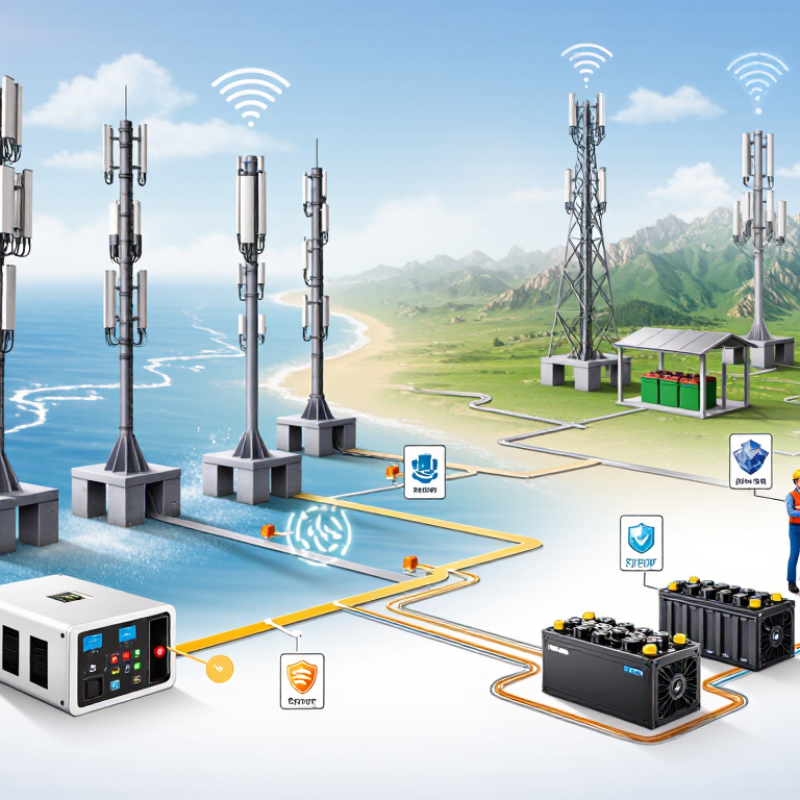
Choosing the best Telecommunication Power Supplies in China depends on the network, site conditions, and service expectations. A coastal 5G site may face humidity and salt exposure, while a remote base station may need reliable backup during long outages. The right system should match its actual load, voltage requirements, battery configuration, and room for future expansion. Small details matter. A clear alarm interface can help technicians spot trouble before a minor fault becomes a costly visit.

This guide considers practical selection criteria, including conversion efficiency, operating temperature, protection features, monitoring, product documentation, and after-sales support. Buyers should verify specifications against the intended installation and request evidence for stated performance, certifications, and warranty terms. Supplier communication also deserves attention: Are replacement parts available? Can technical staff explain alarm behavior and maintenance intervals? A polished brochure is not enough. “Best” is not a universal label, and published figures may not reflect performance under every site condition. Even a careful comparison has limits; field testing and independent engineering review can reveal issues that product sheets miss. The aim is to help readers ask better questions and compare Chinese suppliers on evidence, not slogans.
Best Telecommunication Power Supplies in China?

China’s Telecom Power Systems: -48 V DC Architecture and Main Components

Best Telecommunication Power Supplies in China?

China’s telecom sites commonly use a -48 V DC power architecture. Grid AC enters a power system, where rectifiers convert it into stable DC. That power feeds radio equipment, transmission devices, and other network loads. Battery strings connect to the DC bus, providing backup when utility power fails. The arrangement is practical, but installation details matter.

Tips: Check the DC voltage range, rated load, and battery compatibility. Inspect cable size and terminal tightness. A warm connector can signal excessive resistance. Keep ventilation clear, and review alarms during routine maintenance.

A typical system includes rectifier modules, a DC distribution unit, batteries, monitoring controls, and protective devices. Rectifier modules may share the load, so one module can be serviced without interrupting equipment. Battery capacity should reflect actual site demand and the expected outage period, not a convenient estimate. Monitoring helps staff spot abnormal voltage, temperature, or module status early. Grounding and surge protection also deserve careful attention. Small omissions can become costly. In practice, site conditions differ, and a neat design on paper may need adjustment after measurements. Check operating records before choosing a configuration, and verify performance under realistic load conditions.

Comparing Rectifiers by Efficiency, Including Modules Rated Above 96%

When comparing telecommunication rectifiers in China, efficiency figures need context. A module rated above 96% may reach that level only near a particular load and input voltage. At 10 kW output, even a small efficiency gap can mean extra heat inside a crowded equipment room. Check published curves across the expected load range, not just the peak value. Small differences matter.

For a fair comparison, test units at matching input voltage, output load, and ambient temperature. Note whether the figure includes auxiliary consumption, and check performance during load changes. A rectifier that performs well at full load may lose efficiency overnight when traffic falls. I would not treat one headline number as a verdict; part-load behavior is easy to overlook, and test conditions are not always clear.

Tips: Request efficiency curves and test reports, then verify readings with a calibrated power meter under representative site conditions. Also compare thermal output, current sharing, and alarm visibility. In a real cabinet, airflow restrictions and dust can raise temperatures, changing operating performance. Measure under load. Leave room for uncertainty: lab results may not match an older shelter with uneven cooling.

N+1 Redundancy and Battery Backup for Reliable Telecom Service

Across China, telecom sites range from urban rooftops to remote roadside cabinets. Grid interruptions, heat, dust, and difficult access all shape power-system design. In an N+1 arrangement, power modules share the load, with one additional module available as backup. If a module fails, the remaining units can keep supplying the required load, provided the system was sized correctly. That condition matters. A spare module cannot compensate for undersized equipment or poor maintenance. Operators should check alarms, load sharing, and module health during routine inspections.

Batteries bridge the gap when utility power fails or generators take time to start. Their backup duration depends on actual site load, battery age, temperature, and discharge limits. A cabinet facing afternoon sun may age batteries faster than expected. Short outages can also hide declining capacity. Regular discharge tests and battery monitoring help reveal problems before service is at risk. Measurements are more useful than relying on the rating printed on a new battery. Still, tests take time, and field records are not always complete. That is an uncomfortable weakness worth addressing in any reliability plan.

Best Telecommunication Power Supplies in China? N+1 Redundancy and Battery Backup for Reliable Telecom Service

This illustrative calculation models a system with five 1 kW rectifier modules: with one module reserved for N+1 redundancy, 4 kW remains available. Battery runtime is estimated from a 48 V, 200 Ah battery (9.6 kWh nominal), assuming 80% usable capacity and 90% conversion efficiency. Actual runtime varies with battery condition, temperature, discharge rate, and system losses.

Chinese Suppliers and Their 48 V Power Platforms for 4G and 5G Sites

Best Telecommunication Power Supplies in China?

For 4G and 5G sites, a 48 V DC platform is the practical core of telecom power. Chinese suppliers commonly configure systems with rectifier modules, a DC distribution unit, battery connections, and remote monitoring. The exact mix depends on site load, backup time, and available space. Keep it serviceable.

A rooftop cabinet may need compact rectifiers and batteries that tolerate heat, while a roadside macro site may require greater capacity and stronger environmental protection. Operators should check input voltage range, conversion efficiency, output capacity, alarm protocols, and battery compatibility. These details matter more than a polished product sheet. Small differences add up.

Supplier evaluation should include clear datasheets, test records, spare-module availability, and technical support after installation. Ask how the system behaves during a rectifier failure or a sudden load increase. Also confirm whether monitoring works with the operator’s existing network tools. Specifications alone are not enough. I would not assume every “48 V” platform fits every site; that needs verification. Yet procurement teams sometimes overlook this, especially when comparing prices. A careful review of thermal limits, protection settings, and maintenance access can prevent avoidable site visits later.

Selecting a System by Load Capacity, Energy Efficiency, and Site Conditions

Best Telecommunication Power Supplies in China?

Selecting a system starts with the real load, not the advertised maximum. Add radio units, transmission equipment, cooling controls, and planned expansion. Then size rectifiers for peak demand and maintenance headroom. For battery backup, calculate runtime at the expected load, temperature, and battery age. A nominal -48 V system is common, but confirm each device’s input range.

Efficiency matters because small losses run continuously. The IEA estimated data centres used 240–340 TWh of electricity in 2022, underscoring the cost of always-on infrastructure. For telecom sites, compare conversion efficiency at typical operating loads, not only peak ratings. Check rectifier sharing, alarms, battery monitoring, and compatibility with renewable or generator inputs. Site conditions change the answer: coastal salt air, inland dust, high temperatures, and unstable utility supply each demand different protection and cooling. A clean spreadsheet can still miss a hot cabinet corner.

Tips: Measure the load at busy hours. Keep room for expansion, but avoid oversized modules running inefficiently. Ask for test records against relevant ITU-T L.1310 efficiency methods. Recheck battery runtime on site; estimates age badly.

FAQS

Why is a 48 V DC platform common at 4G and 5G sites?

It can combine rectifiers, DC distribution, battery connections, and remote monitoring. But 48 V alone does not guarantee compatibility.

What equipment might a telecom power system need?

A typical setup includes rectifier modules, DC distribution, battery connections, and monitoring. The exact mix depends on load, backup time, and cabinet space.

How should I size the rectifiers?

Measure radios, transmission equipment, cooling controls, and planned expansion during busy hours. Allow for peak demand and maintenance. Avoid guessing.

How can I estimate battery backup time?

Calculate runtime using actual load, temperature, and battery age. Then verify the estimate on site. Estimates age badly.

Which site conditions affect system selection?

Heat, dust, coastal salt air, and unstable utility power can change cooling and protection needs. A cabinet corner may run hotter than expected.

Which efficiency details should I compare?

Compare efficiency at typical operating loads, not only peak ratings. Ask for test records using relevant ITU-T L.1310 methods. Specs can mislead.

What should I check when evaluating a supplier?

Request clear datasheets, test records, spare-module availability, and technical support after installation. Ask what happens during a rectifier failure or sudden load increase.

How can I confirm remote monitoring compatibility?

Check alarm protocols and confirm the system works with the operator’s existing network tools. Do not assume it will. Verify first.

Conclusion

Telecommunication Power Supplies are essential to keeping communication networks stable, efficient, and available. In China, many telecom sites use a -48 V DC architecture, supported by rectifiers, distribution units, monitoring systems, and battery banks. Rectifier efficiency is an important consideration: high-efficiency modules, including models rated above 96%, can reduce energy losses and heat while supporting continuous operation.

For dependable service, N+1 redundancy allows the system to maintain power if one rectifier module fails, while batteries provide backup during interruptions to the primary supply. Chinese suppliers offer 48 V power platforms for both 4G and 5G sites, with configurations suited to different network demands. Choosing a system involves assessing total load capacity, efficiency, redundancy, battery runtime, and site conditions such as space, temperature, and power availability. Matching these factors helps operators build a reliable solution that can accommodate current needs and future network growth.

Ethan

Ethan

Ethan is a dedicated marketing professional with a deep expertise in our company's core offerings. With a passion for storytelling and a knack for engaging communication, he regularly contributes to our professional blog, sharing insights and updates that reflect both industry trends and the unique......