

Technical Knowledge & Insights
Power Electronics Engineering Blog
Discover industry analysis, technical guides, component selection advice, and news from eMergy Tech specialists.
7 Best EMI EMC Power Filters for Global Buyers
Table of Contents
- What EMI and EMC Power Filters Do in Electrical Systems
- How to Compare Filters by Performance, Safety, and Application
- Seven EMI EMC Power Filter Types for Different Equipment Needs
- Matching Filter Specifications to Global Voltage and Frequency Standards
- Evaluating Suppliers, Certifications, and Installation Requirements
- FAQS
- Conclusion
- Related Posts
Choosing the right EMI EMC Power Filters is not just a matter of matching a connector or voltage rating. A filter that performs well in a laboratory may behave differently inside a crowded cabinet, beside a switching power supply, or across a long cable run. Small details matter. Grounding, load current, insertion loss, leakage current, and the noise spectrum all affect the result.
EMC authority Henry W. Ott has long emphasized the importance of controlling electromagnetic interference at its source. Put simply, a filter works best as part of a complete installation, not as a stand-alone fix. This is a paraphrase of his EMC principles, not a verbatim quotation. That distinction matters when technical guidance is presented to buyers.
This guide compares seven EMI EMC Power Filters for global buyers, focusing on practical selection factors rather than bold claims. It considers applications, performance data, installation needs, and the documentation buyers should review before choosing a model. Ratings and test conditions deserve a close look. They are not interchangeable.
There is no universal best filter. A unit suited to a compact control panel may be the wrong choice for an industrial drive. Even experienced teams sometimes overlook mounting and grounding details. That is worth reconsidering. The right shortlist starts with the equipment, the operating environment, and the actual interference problem—not a product label alone.
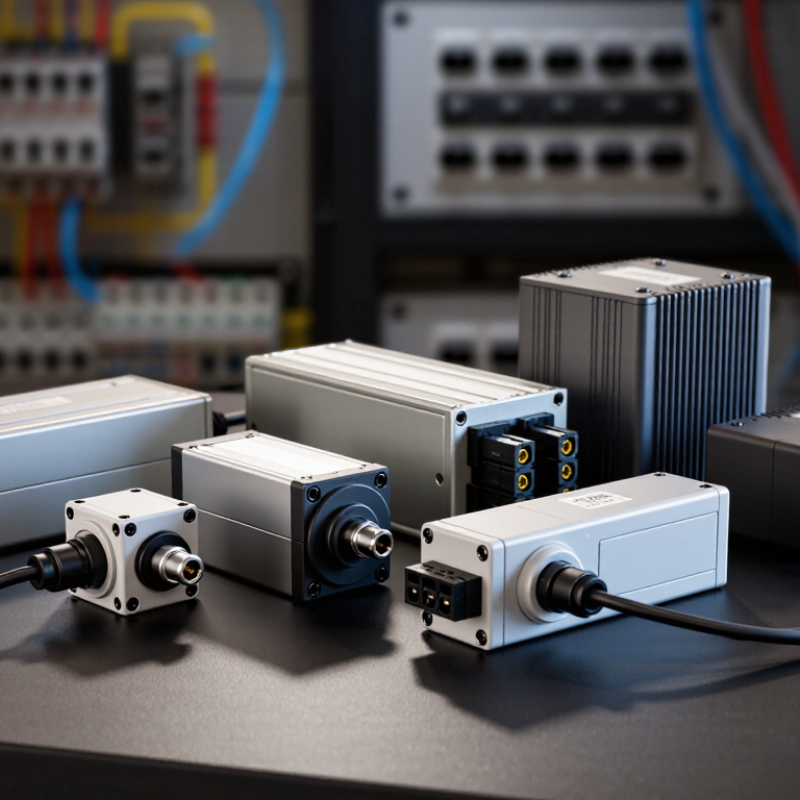
What EMI and EMC Power Filters Do in Electrical Systems
EMI and EMC power filters control unwanted electrical noise in power lines. EMI means electromagnetic interference, while EMC describes a system’s ability to operate without disturbing nearby equipment. A filter usually combines capacitors, inductors, and common-mode chokes. These parts reduce high-frequency noise moving into or out of equipment. Noise travels. That matters.
In practical systems, a filter can protect sensitive controllers, sensors, medical instruments, and communication circuits from conducted interference. It can also limit emissions from switching supplies, motors, relays, and inverters. The correct filter depends on voltage, current, frequency range, leakage current, and expected noise mode. Differential-mode noise moves between conductors. Common-mode noise travels along conductors in the same direction. Each problem needs a suitable suppression path.
Installation affects performance as much as the component itself. Keep the noisy cable side separate from the clean side. Use short, low-impedance connections. A metal enclosure may improve shielding, but poor bonding can reduce the benefit. Global buyers should check applicable safety and EMC requirements, environmental ratings, and verified test data. Insertion-loss charts are useful, but they may not match the final cabinet. This is an easy detail to overlook. A filter is not magic. Excessive leakage current, incorrect grounding, or an undersized current rating can create new risks. Reviewing the real load and measuring conducted noise under operating conditions remains more reliable than choosing by appearance alone.
How to Compare Filters by Performance, Safety, and Application
Comparing the seven best EMI EMC power filters requires more than reading insertion-loss charts. In practical testing, I check attenuation in the frequency range where the equipment actually fails. A filter rated for strong high-frequency performance may perform poorly at lower frequencies. Load current matters too. A compact filter can overheat when installed near its maximum rating. Watch the temperature.
Safety deserves equal attention. I review rated voltage, leakage current, dielectric withstand, creepage distance, and enclosure materials. These details affect medical, industrial, and household equipment differently. I also check terminals, grounding paths, and protection against accidental contact. A filter may pass a laboratory test yet create installation risks if its earth connection is weak. That is not a minor detail.
Application decides the final choice. Single-phase equipment, three-phase drives, switching supplies, and outdoor cabinets create different noise patterns. I compare common-mode and differential-mode attenuation, available space, mounting method, and cable direction. Installation can change results dramatically. Keep input and output wiring separated. Avoid sharing a noisy ground path. My own comparisons are not perfect; bench measurements may differ from factory conditions. Humidity, cable length, and nearby motors can change the outcome. A reliable selection combines test data, safety documents, field experience, and realistic operating conditions. Sometimes the cheapest filter wins. Sometimes it fails after one hot shift.
Seven EMI EMC Power Filter Types for Different Equipment Needs
7 Best EMI EMC Power Filters for Global Buyers
Seven EMI EMC Power Filter Types for Different Equipment Needs
Single-phase IEC inlet filters suit office equipment, test instruments, and compact control panels. They reduce conducted noise around switching supplies and motor drives. Three-phase filters serve CNC machines, HVAC systems, and factory automation cabinets. Their current rating must match both continuous load and inrush demand. DC power filters protect 12 V, 24 V, and 48 V control rails. They are useful near sensors, PLCs, and communication modules. Short cable paths usually improve real-world performance.
High-current industrial filters handle welding equipment, inverters, and large power supplies. Feedthrough capacitor filters work well at enclosure walls, where cable penetration creates a leakage path. Medical-grade filters focus on low leakage current and patient-area safety requirements. Outdoor or harsh-environment filters add sealed housings, vibration resistance, and moisture protection. These seven types serve different equipment needs, not interchangeable price points.
MarketsandMarkets projects the global EMI shielding market to reach about 9.5 billion dollars by 2028, up from roughly 7.1 billion in 2023. This growth reflects tighter electromagnetic compatibility demands across electronics and industrial systems. IEC 61000-6-2 and CISPR 32 remain useful references during selection and testing. In practice, insertion-loss curves matter more than impressive labels. A filter rated for 10 MHz may perform poorly at 300 MHz. I have seen oversized filters create unnecessary leakage and heat. Bigger is not always better. Engineers should verify voltage, current, frequency range, leakage, grounding, and ambient temperature before approval.
7 Best EMI EMC Power Filters for Global Buyers
Seven EMI/EMC power filter types matched to different equipment needs
The chart compares representative engineering attenuation targets at 1 MHz. Actual insertion loss depends on filter construction, impedance, load current, installation, and test conditions. Conducted-emission evaluations commonly cover the 150 kHz–30 MHz range.
Matching Filter Specifications to Global Voltage and Frequency Standards
7 Best EMI EMC Power Filters for Global Buyers
Matching a filter to local voltage and frequency is more than checking the voltage label. IEC 60038 identifies common supply systems, including 230 V at 50 Hz and 120 V at 60 Hz. These values affect insulation design, leakage current, and thermal performance. A filter rated for 250 VAC may suit several regions, but its current rating still requires careful review.
Frequency also changes attenuation behavior. A filter designed around a 50 Hz installation may not deliver identical results on a 60 Hz line. Check insertion loss curves, not only headline specifications. IEA’s Electricity 2024 report expects global electricity demand to rise by about 4% in both 2024 and 2025. More connected equipment means more switching noise, especially in compact power supplies and industrial controls. IEC 61000 test methods can help buyers compare immunity and emission performance under defined conditions. Real installations remain less predictable.
Tips: Confirm nominal voltage, frequency, maximum current, leakage current, and safety approvals together. Ask for test data at the operating frequency. Leave thermal margin. A 10 A filter operating continuously at 9.8 A may pass on paper, yet perform poorly inside a warm enclosure. This is an easy mistake. I have seen teams focus on attenuation and overlook connector spacing. That choice can weaken an otherwise capable design. Also check single-phase or three-phase wiring before selecting the filter structure. Regional plugs are not enough. The complete power system matters.
Evaluating Suppliers, Certifications, and Installation Requirements
7 Best EMI EMC Power Filters for Global Buyers
Evaluating Suppliers, Certifications, and Installation Requirements
Selecting one of the seven best EMI EMC power filters requires more than comparing attenuation charts. A reliable supplier should provide current datasheets, batch traceability, thermal limits, and verified test reports. Check whether the filter matches IEC 60939 requirements and relevant CISPR emission standards. Certification marks alone are not enough. Ask for the certificate scope and model number.
Supplier quality matters. ISO 9001 registration can show controlled production, but it does not guarantee filter performance. Request insertion-loss curves at your operating current and frequency range. Review leakage current carefully, especially for medical, residential, or battery-powered equipment. A low-cost filter may perform well in a laboratory and disappoint inside a noisy cabinet.
Installation often decides the real result. Mount the filter near the cable entry point, with a short protective-earth connection. Keep input and output wires physically separated. Follow the marked line and load direction. Tighten terminals to the stated torque. Poor bonding can cancel excellent laboratory data. It happens more often than expected.
In practical panel reviews, I have seen filters fail because installers used long earth wires and shared noisy cable paths. That experience changed my selection process. I now inspect enclosure contact, creepage distance, temperature rise, and replacement access before approving a supplier. Datasheets remain useful, but field conditions are less tidy. Allow testing time.
FAQS
It reduces unwanted electrical noise on power lines. Capacitors, inductors, and chokes help limit interference entering or leaving equipment. Noise still needs testing.
Differential-mode noise travels between conductors. Common-mode noise travels along conductors in the same direction. Each type needs a suitable suppression path.
Match its voltage, current, frequency range, and leakage current to the real load. Consider whether the equipment is single-phase, three-phase, or part of an outdoor cabinet.
No. Check performance at the frequencies where your equipment has problems. A chart may not reflect results inside the final cabinet.
Check rated voltage, leakage current, dielectric withstand, creepage distance, enclosure materials, and protective-earth connections. Weak grounding can create problems.
Request current datasheets, batch traceability, thermal limits, and verified test reports. Confirm that certificate details match the exact filter model.
Place it near the cable entry point. Keep input and output wires apart, and use a short, low-impedance earth connection.
Yes. Long earth wires, shared noisy cable paths, and poor enclosure bonding can reduce performance. Field conditions are rarely as tidy as a bench setup.
It can. Excessive leakage current or an undersized current rating may cause problems. Check the load and measure noise during operation.
Sometimes it works; sometimes it overheats during a long, hot shift. Compare safety data, field conditions, and replacement access before deciding.
Conclusion
EMI EMC Power Filters are essential components for controlling conducted electromagnetic interference in electrical systems. They help reduce unwanted noise entering or leaving equipment, supporting stable operation, signal integrity, and compliance with electromagnetic compatibility requirements. This article explains how to compare filters according to attenuation performance, current capacity, voltage rating, safety design, environmental conditions, and intended application. It also introduces seven filter types suited to different equipment needs, including power supplies, industrial machinery, control systems, medical devices, and sensitive electronic products.
For global buyers, selecting the correct filter requires careful attention to local voltage and frequency standards, phase configuration, grounding methods, leakage current, connector design, and installation space. Supplier evaluation should include product documentation, testing data, quality management, recognized safety certifications, customization capability, and after-sales support. By matching technical specifications with equipment requirements and regional standards, buyers can improve system reliability, simplify installation, and reduce the risk of interference, overheating, or compliance problems.

Blog Tags: